Colour Me Funny Easter Bunny!

OLYMPUS DIGITAL CAMERA

What you will need:  A photo of your darling precious child/children, A strong cardboard plate, Scissors, PVA/craft glue, Paint brush, Paint containers, White cardboard or recycled cardboard that can be painted white, White paper, White paint, Pink or Blue paint, Cotton balls, Fluffy pom-pom, and Coloured pipe cleaners.

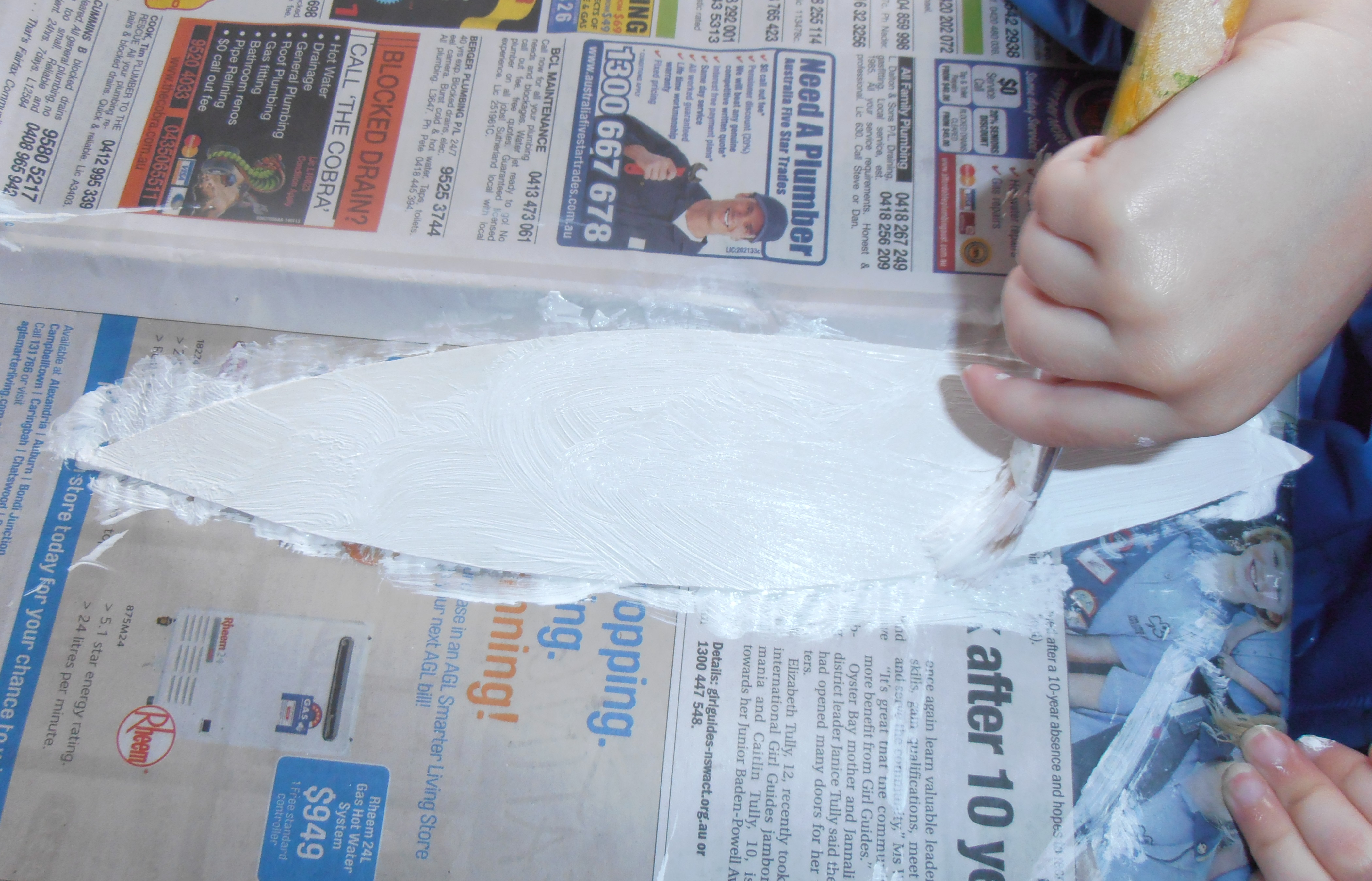
Step One: Carefully cut two ears out of your white cardboard or recycled cardboard and paint both white (if not already white).

OLYMPUS DIGITAL CAMERA             OLYMPUS DIGITAL CAMERA

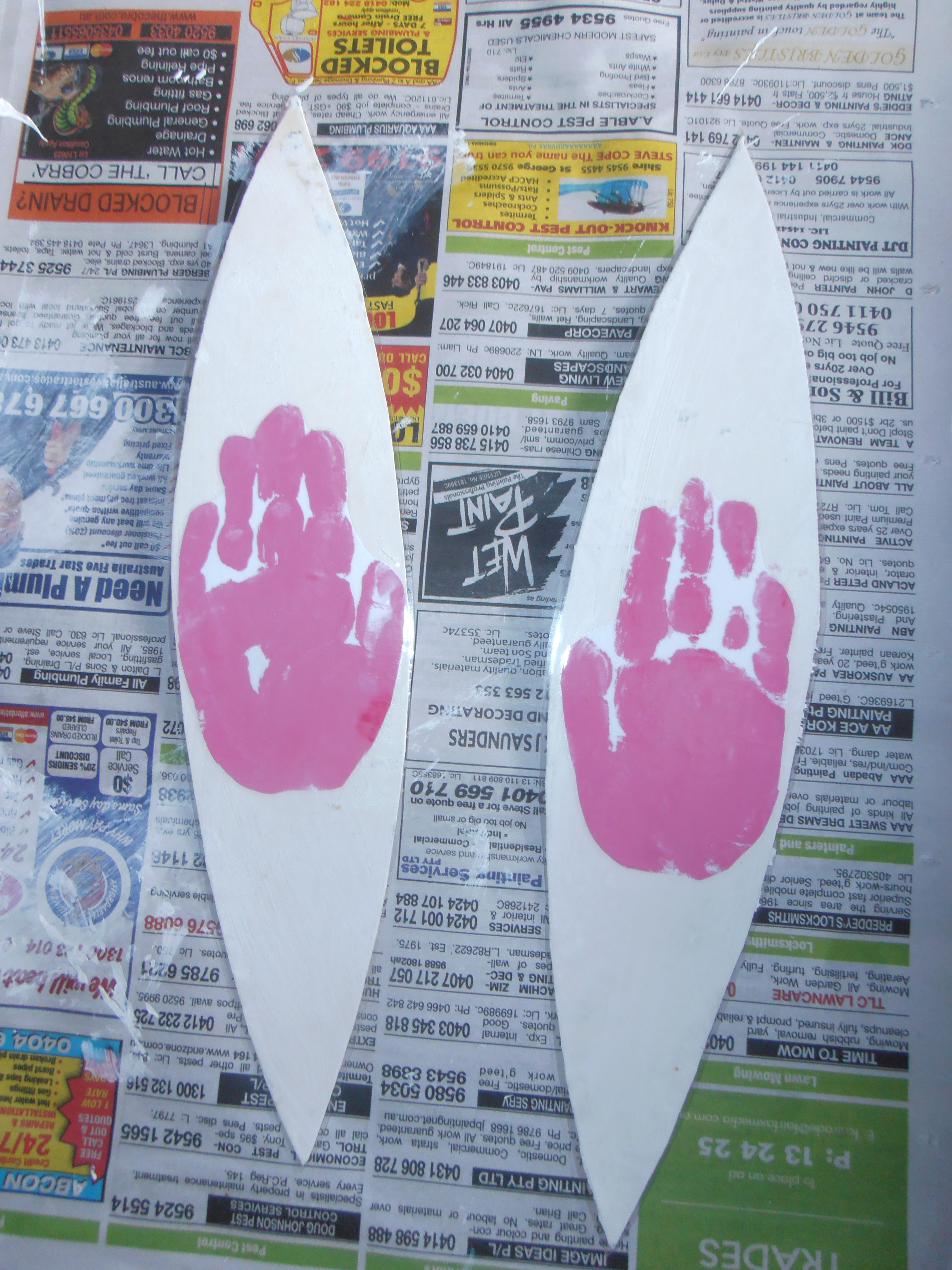
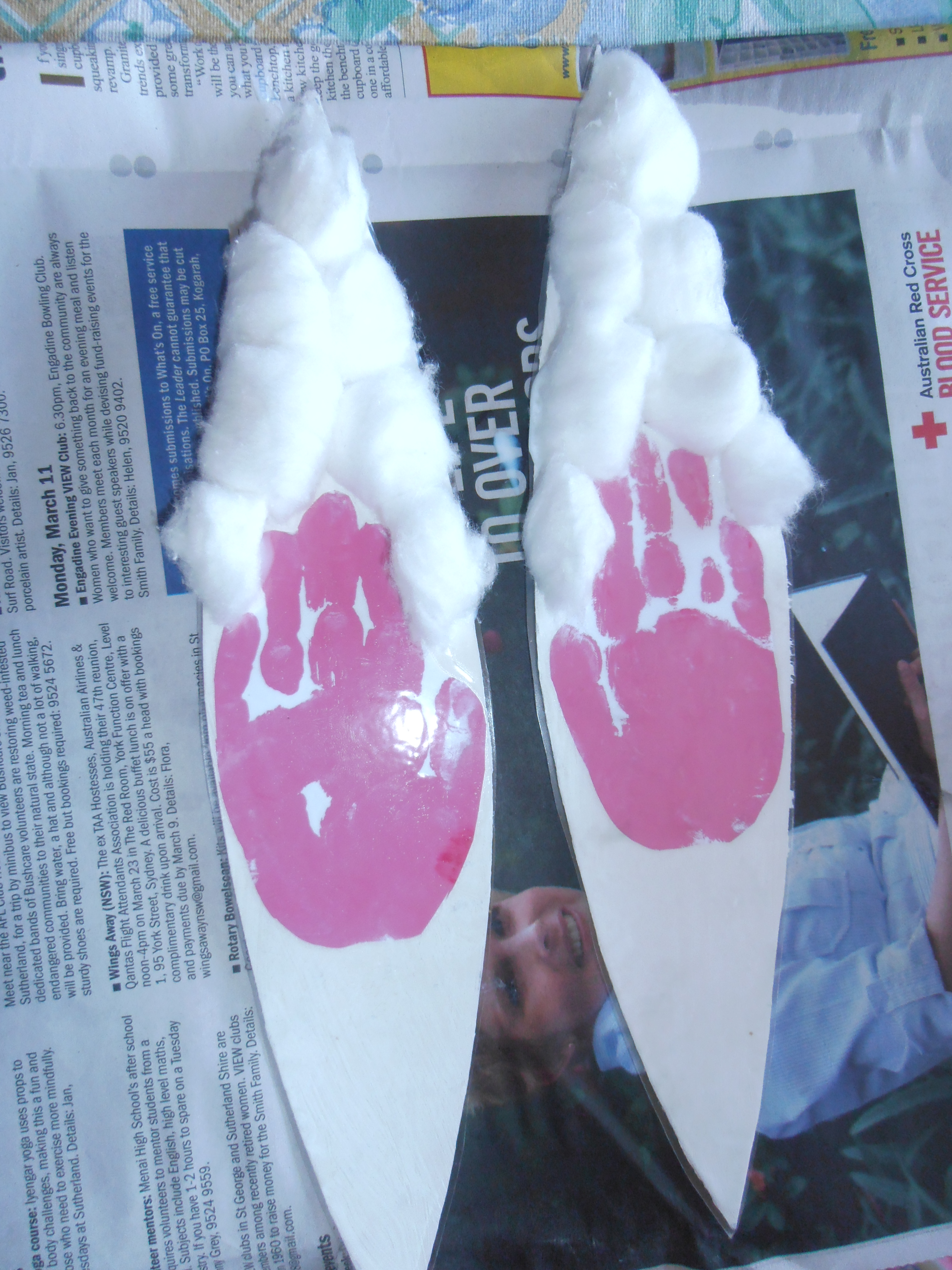
Step Two:   Paint the child’s left hand pink or blue and then get them to stamp it on white paper. Then paint their right hand pink or blue and get them to stamp it on the paper too. Children can paint their own hands if they are able to.

OLYMPUS DIGITAL CAMERA

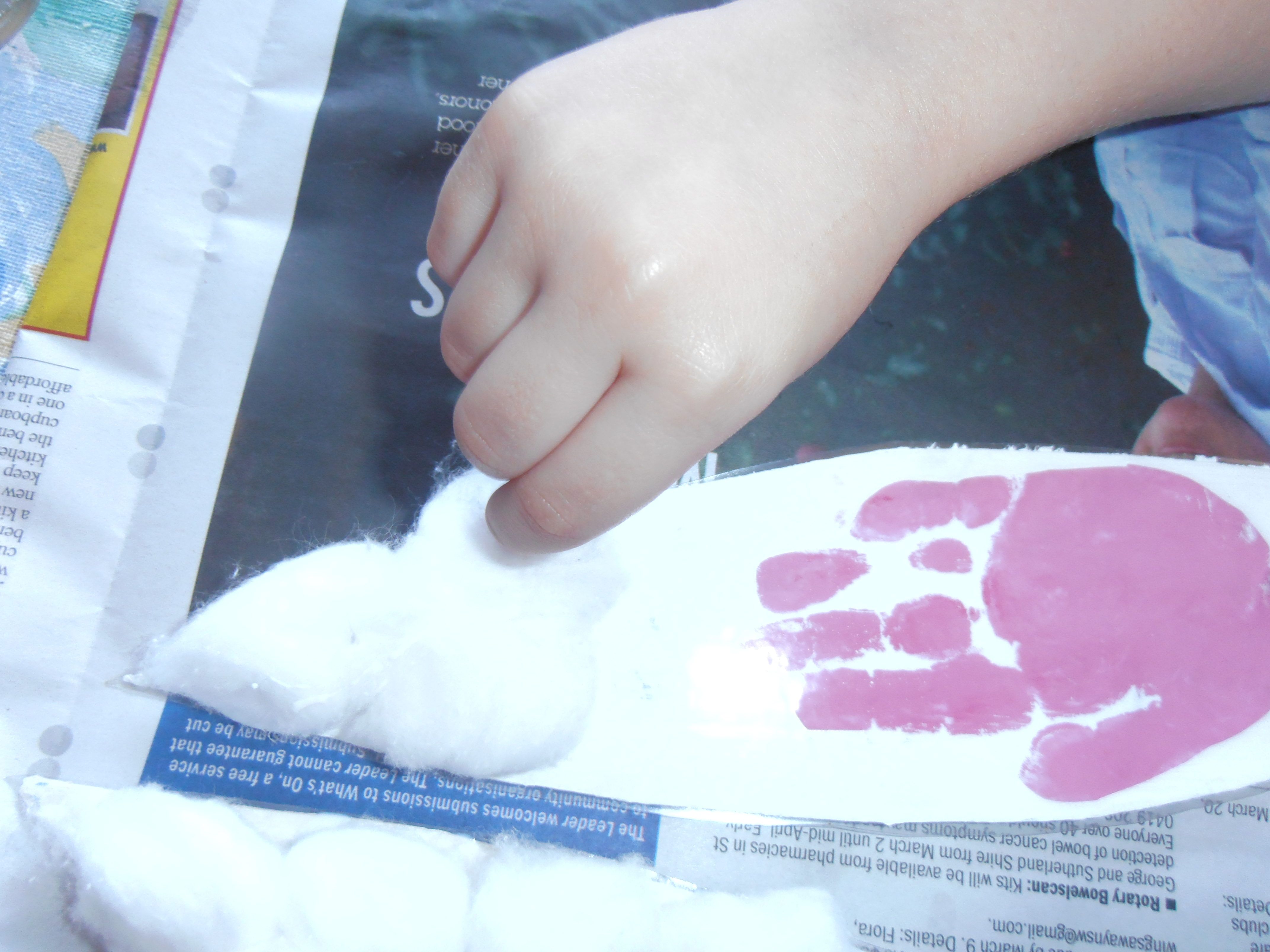
Step Three: When the hand prints are dry, cut them out and paste them on the white bunny ears. Then laminate them if you would like to.

OLYMPUS DIGITAL CAMERA             OLYMPUS DIGITAL CAMERA

Step Four:   Cut out the enlarged photo of your darling precious child to fit the inside of your cardboard plate (laminate it if you would like to) then paste it onto the paper plate.

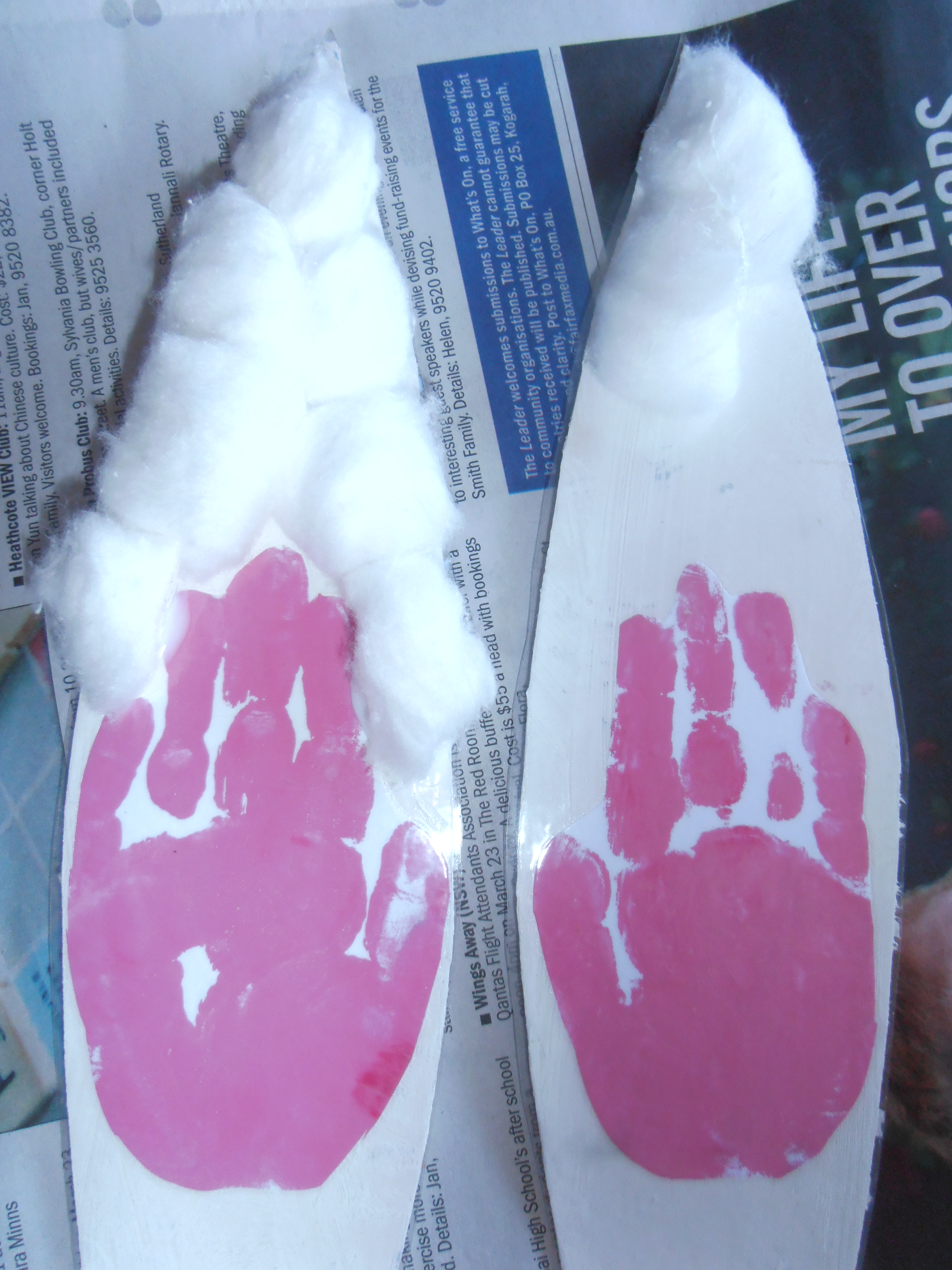
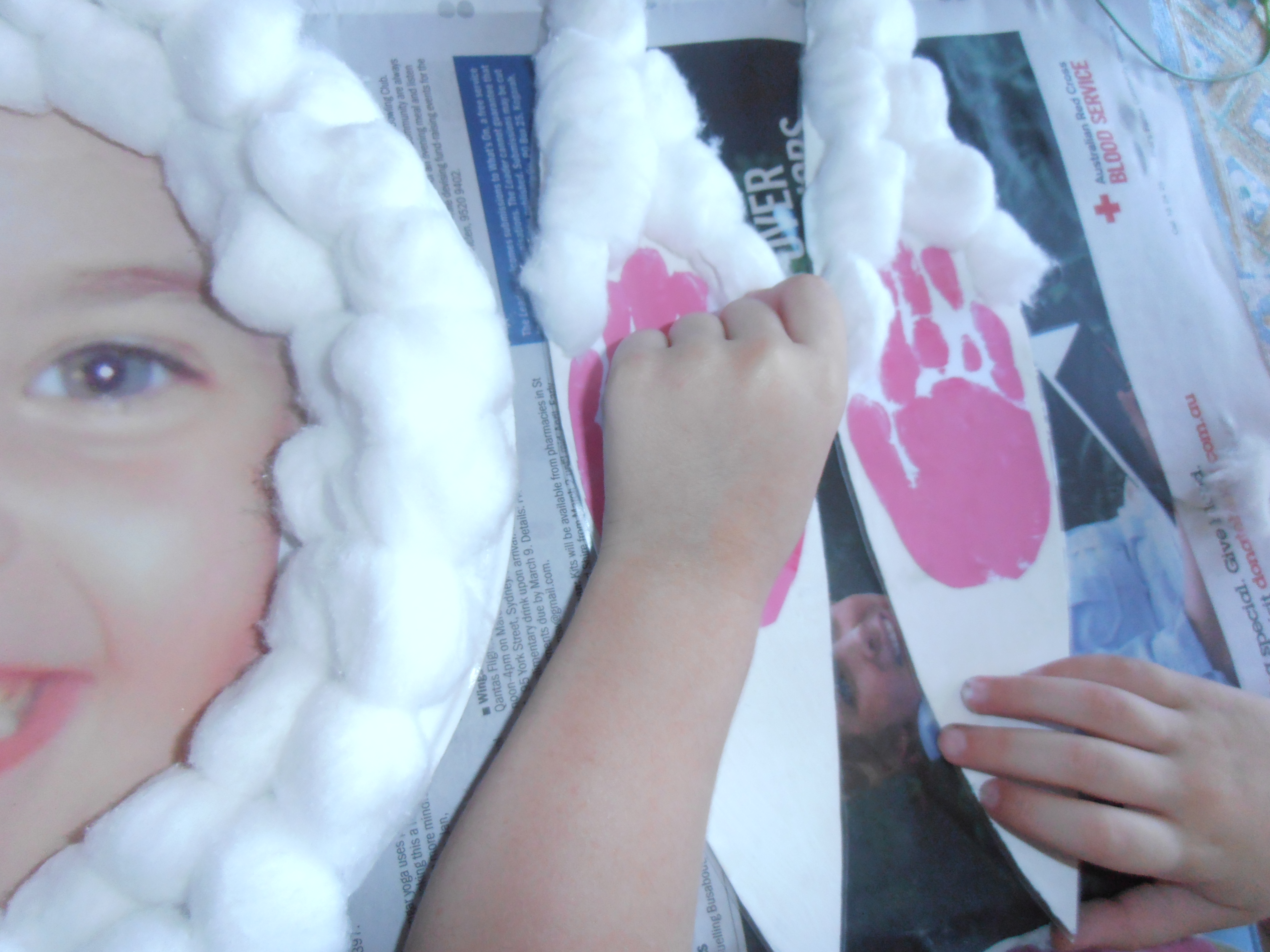
Step Five:   Glue cotton balls on the top of your bunny ears then around your bunny face and paper plate using your PVA/ craft glue.

OLYMPUS DIGITAL CAMERA                                                             OLYMPUS DIGITAL CAMERA

OLYMPUS DIGITAL CAMERA

Step Six: Glue your bunny ears to the back of your bunny face with PVA/craft glue and leave facing downwards for an hour or two to dry.

OLYMPUS DIGITAL CAMERA

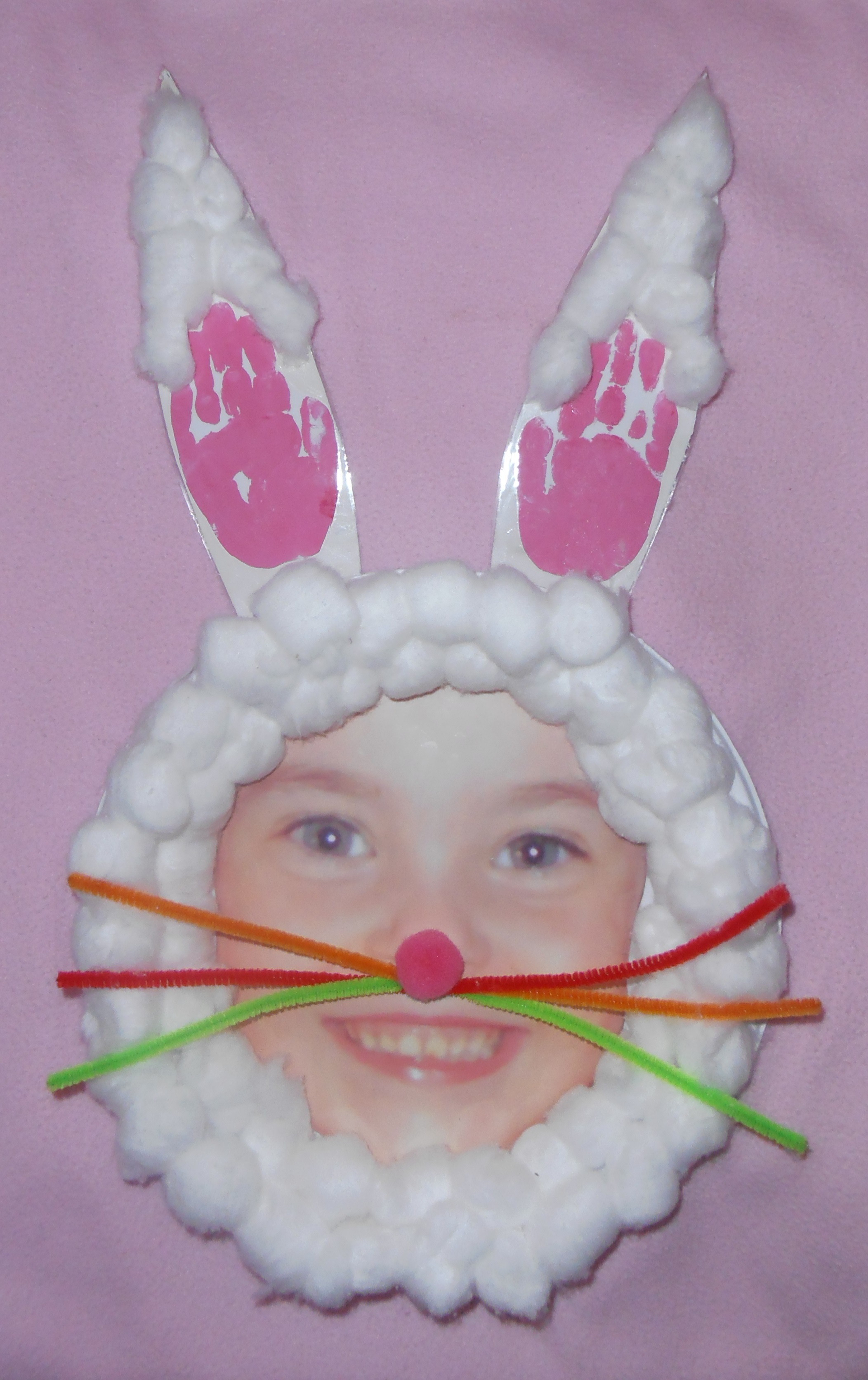
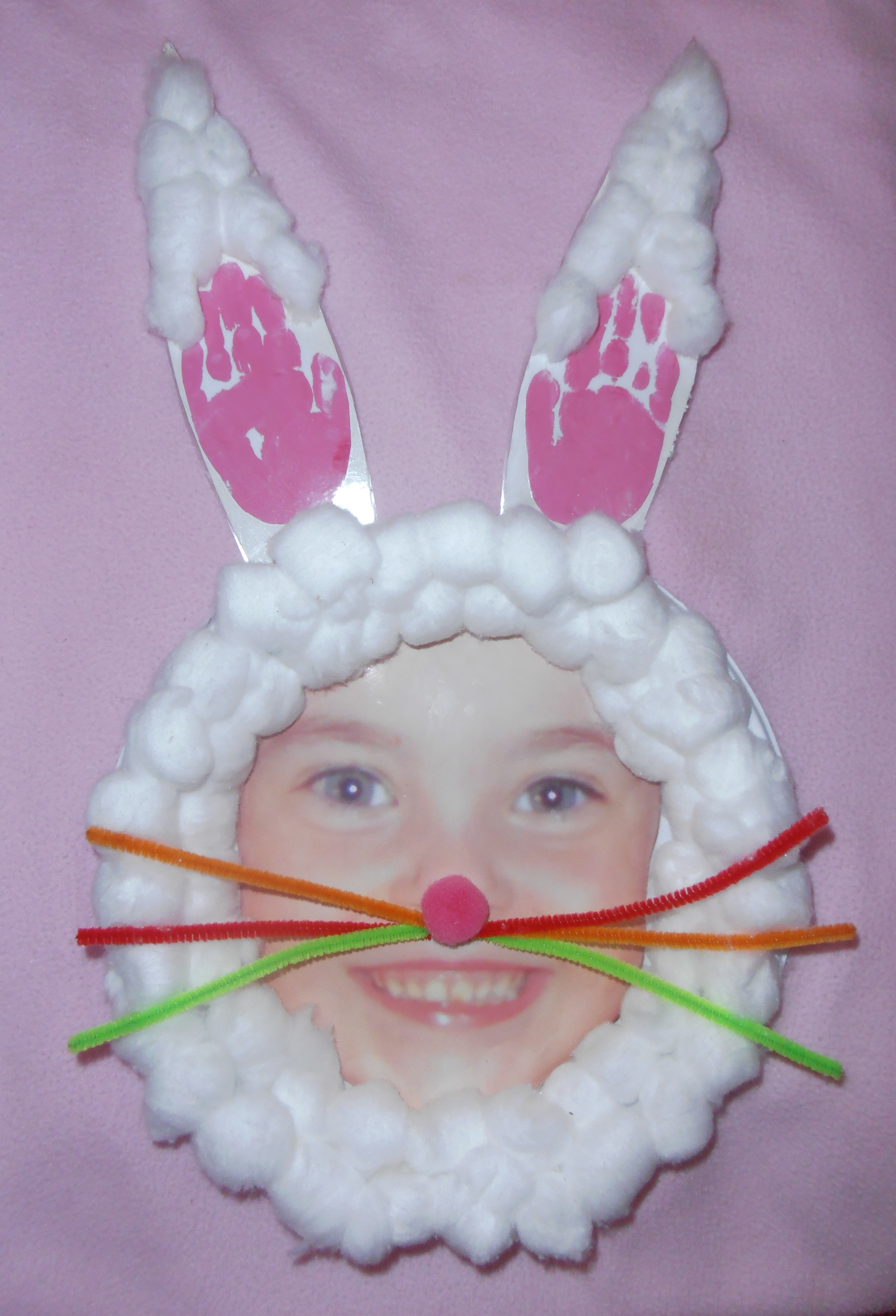
Step Seven:   Choose three coloured pipe cleaners and twist them together then glue them below your darling precious child’s/bunnies nose with PVA/craft glue. Finish your gorgeous bunny with a coloured fluffy pom-pom nose (see photo).

Your Colour Me Funny Easter Bunny is now complete so put it somewhere special where it will make everyone smile the whole Easter season! You now have your own unique bunny to treasure for years to come.

OLYMPUS DIGITAL CAMERA

Happy guiding and a peaceful Easter,

from

Darling Precious Children

By darlingpreciouschildren Posted in Easter

Peaceful Guidance and Discipline

Peaceful Guidance and Discipline

Guiding a child with love and peace seems so simple yet some days it can be all too hard! Unlike electrical appliances and DIY cabinets, children do not come with a manual and there is no “one size fits all” approach to guiding and disciplining them.  Sometimes you just have to keep trying different methods and strategies until you find the one that works for a particular child or situation. Like adults, children are not all the same, therefore they will all have different needs and ways in which they communicate, react and behave. The one thing that we all have in common though is – the need for love and respect. So the simple part of guiding and disciplining is focussing on your love and respect for the child.  Whether you are five or fifty-five you want to be heard and you want to be understood. Children don’t always have the self control or ability to articulate what it is they want and therefore may display negative behaviours if they do not feel in control or that they are being listened to and respected.   If you look deeper, you will almost always find an underlying cause or reason for negative behaviour.  So set the right scene, ask the right questions and calmly deal with whatever comes your way:

Create The Right Environment

Many times when there is negative behaviour it is because the environment is not set up to encourage harmony, stimulation, and freedom.  Make sure that the area children are playing in provides enough space, light, safety, freedom and opportunity for exploration. There should also be enough interesting, challenging, creative, and skill level appropriate activities for them to partake in. One of the number one reasons why children will act out is because they are bored!

Be An Effective Communicator

Ask the child why they are playing up, misbehaving, throwing a tantrum etc and then carefully listen to what they are saying. Negotiating with a child has been humorously likened to negotiating with a terrorist : ) There sure are times when it takes every ounce of your energy and self control to get through the conversation. Be persistent, be calm and ask the right questions. Here are a few examples: “How are you feeling today?” “Has something made you unhappy?” “What happened and how can I help you sort it out?” “What would make you feel better?”  “ Do you want to talk about how you are feeling?” Listen carefully and make sure that your response indicates that you were listening e.g “So you are upset that Tom wouldn’t share the blocks?” Then help them work out what they could do or say to resolve the issue.  Try not to fix everything for them, give them the skills they need to do it themselves.

Establish Routines

Children need consistency, it helps them to feel secure. They need routines for meal times, sleep times, getting ready in the morning, play times and pretty much most parts of the day.  It helps give them balance and teaches them how to pace themselves. Children need lots of small healthy meals throughout the day as they are frequently using up lots of energy. They need regular sleep hours and a regular sleep routine e.g dinner, quiet play for thirty minutes, brush teeth, go to toilet, say goodnight to the rest of the family, then get into bed for a bed time story or two. This not only helps them to wind down but gets their bodies and mind ready for sleep. Many times when a child is displaying negative behaviours, it is because they are tired, hungry, or are out of routine, so be mindful of this and adjust your routines accordingly.

Role Model Positive Behaviour

How often do you hear a parent say to their child “Don’t hit!” when they use hitting as their preferred method of disciplining all the time or “Don’t Swear,” when you yourself swear in front of them. You can’t be a hypocrite in parenting because children learn far more from what they see or experience than what they are told.  If you say to a child  “You can’t eat treats before dinner,”  then you go and do exactly that in front of them, what are you teaching? Children love to imitate adults so if you want your children to eat well, be kind to others, not be rude or display negative behaviour, etc,  then you better make sure you are demonstrating the right behaviour yourself. Of course there will be moments when you might not be perfect – nobody is – but work at being the most positive role model that you can be!

Praise And Positive Reinforcement

Sometimes children get lots of attention for negative behaviour and not enough positive attention when they do the right thing. Therefore they quickly work out that if they do something negative they are going to get noticed and if they do the right thing nobody pays any attention at all.  Remember this and take note of when you give your child the most time – is it when they are displaying negative behaviours or is it when they are displaying positive behaviours? Effective praise encourages learning, independence and good self-esteem. Make sure that you praise their efforts effectively and give them attention at the right time. If they have helped you set the table, you might say something like, “Thank you for helping me set the table, what a great job! You put out enough  forks and knives for everyone and even remembered the napkins.” If they have cleaned up their room you could say, “Well done, your room looks so nice and tidy and you have so much more space now!” etc. Sometimes all a child needs is a little positive love and attention and the negative behaviour soon disappears because they don’t have to try so hard to get your attention any more.

Thinking Time

This is often known as time out and that is what it is really but I like to call it Thinking Time as it should be a time when children are thinking about their behaviour and why it was not acceptable.  I hate the word “Naughty Corner” and would never call it that because it is negative and unhelpful.  If a child is not playing nicely with others or refuses to do something that you have asked them to do then send them to the thinking area e.g the lounge, a pillow etc.  A good amount of thinking time is around their age e.g a three-year-old gets three minutes thinking time.  Say to them something like “You are not playing very nicely with your friends at the moment so you need to go to the thinking chair and have a think about it.”  If they refuse to go to the thinking space give them the choice of going there on their own or being carried there. That way they feel as if they have some choice but you are still in control. If they get off before time is up tell them that you are starting the clock again and continue to do this until they sit and think. Thinking time is also a good opportunity for children to calm down if the disagreement has been an out of control one. When their time is up, go to them and ask them what they thought about and why it wasn’t very nice to treat their friends that way. Discuss ways in which they could have acted instead.  This is teaching them skills for reflection, evaluation, conflict resolution, socially acceptable behaviour and communication, amongst many other things.

Consequences

This is one of the best ways to learn self discipline and about the connection between action and result because the outcome is a direct consequence of the child’s behaviour. For example if a child refuses to eat dinner they will be hungry and will learn from it for next time. If a child refuses to clean up after painting then the paints and painting equipment get packed away for at least a day and the child can’t use it.  If a child throws it’s food on the ground and refuses to pick it up, it goes in the bin and they miss out on it. If children are not playing well together and sharing, they are given the choice of sharing or playing on their own without whatever it was that they weren’t sharing. If a child is playing dangerously outside and keeps going near the road or touching things they were asked not to then they lose the privilege of playing outside and have to go inside for the rest of the day. Quite simple really, yet very effective if done properly!

Distract or Redirect

This is particularly effective when dealing with a younger child under the age of three. If they are playing with something that you don’t want them to touch, throwing a tantrum, or behaving in any other unacceptable way etc., you can either distract them by showing them something else e.g  Wow did you see that pretty rainbow coloured bird out the window?” Or you can redirect by saying something like “Look at that play-dough over there, let’s see what we can make with it!”  Another way to redirect is if they are doing something inappropriate like drawing on a book or wall etc tell them that we don’t draw on walls but they can draw on a piece of paper and then give them something that they can draw on.  Young children’s attention spans are pretty short so a temporary fix like distraction and redirection works quite well.

Ignore

Ignoring works well when it comes to tantrum throwing, swearing, sulking or other negative behaviours where the main goal is to get attention. If a child is throwing a tantrum, walk out of the room, once the tantrum is not getting any attention it’s not working for them any more so they stop. If you have to say something just say “It’s too noisy in here, I’m going somewhere quiet until you are ready to stop making all that noise!” If a child swears and you have already told them it is not a nice thing to say but they keep swearing, just ignore it. Don’t pay any attention to it at all or walk out of the room.  If you have to say something then say “Go and swear in your room because I don’t want to hear it!”  As long as the child is in no danger if you leave the room, then it is a very effective way to curb the behaviour.

Why Some Methods Are Not As Effective

There are some other ways of disciplining that are used which are not as effective as the list above. These include smacking, shouting and giving rewards, here is why:

There are times when a smack on the hand to stop a child touching a hot stove top, sharp knife, pinching another child etc are necessary and in my opinion far less harmful than the alternative. But when I say smack I do not mean hit hard as I definitely do not condone hitting or using any kind of violence on a child. The smack should not leave a lasting red mark, it should not be done with any kind of force or aggression and should only be enough to alert the child of it’s immediate danger or quickly put an end to  unacceptable behaviour without making them frightened of you. Anything that leaves a lasting mark is called Child Abuse and has absolutely no place in caring for a child. 

Shouting aggressively is similarly not effective and can be classed as Child Abuse if the child is frightened of you.  As I have said before, reasonable, rational adults do not believe that screaming at another adult is a respectable way to communicate so why would you do that to a child? Of course it is normal for a parent to lose their cool every now and then and raise their voice at their child – who hasn’t done that!  It becomes a problem when an adult aggressively shouts at a child negatively and often. It becomes a problem when a child is scared of you, a child should never be scared of their parent or any other adult! 

The other form of discipline that I do not believe is effective but is used quite a lot is giving rewards for good behaviour. Mainly because I believe that children should learn how to behave appropriately because it is the right thing to do not because they are given a gift for doing what they should have been doing anyway. Giving rewards is fairly harmless and is neither here nor there but it is unrealistic and not really teaching anything valuable.  Adults do not get a gift for making their beds, emptying the dishwasher, setting the table, etc so why should children? It is their home and their environment too so it is really their duty and privilege to help take care of it.  Adults do not get  presents for being kind or sharing, they get the intrinsic reward of feeling good about their kind deed and that is what children should be learning. Besides, if you have ever done something nice for someone else, you would know how good that feels – Much better than any store bought gift. So allow your child the privilege of knowing what that feels like!

Guiding and Disciplining with love and respect is really the only way to achieve your objective –  which should be to raise a kind, caring, productive, peaceful, happy and respectful child/adult.  I truly believe that you can’t raise a child to be a positive member of society if your guidance is based on negativity. Violence breeds violence just as love breeds love. You may not get positive results everyday and not every issue will be easily resolved but on those occasions just take a deep breath, try and stay calm and just do your best!

Happy Guiding,

from

Darling Precious Children

Getting Back Into The School Routine!

Ready to go back to school

The lovely long Christmas summer holidays are the perfect chance to break from routine and have some fun! It’s a time to reconnect with family and friends, sleep in, stay up late, eat more “treat” foods, travel to exciting destinations and forget about time for a while. But how do you adjust to getting back into the work/school routine when it’s all over? If you are anything like me, it’s a huge struggle! By now, some parents are probably at the end of their tether after having their children at home for six weeks and are looking forward to getting back to routine; whilst others have loved the chance to spend more quality time with their children and are not quite ready. Either way, the change is coming so here are just a few tips to make it all a little easier:

  • Try getting back into a routine with sleep times, bath times, meal times and other regular activities at least one week before school resumes.  This will help your children’s body clocks adjust to the rhythm of routine and make the transition less stressful.

  • Get them to have a look at their calendar/planner (as suggested in 2013 – Your Child’s Next Exciting Chapter!). They can use it to count down the days until school begins so that they have comfort in knowing when and what will take place.  They can also use it to get organised for the next week.
  • Help them to get excited about the impending term by talking about what is coming up e.g. excursions, parties, swimming lessons, Easter, and seeing all their friends, etc and then demonstrate how to mark some of these on their calendar/planner.
  • Make the first week back relaxing and try not to plan too many after school activities if possible. Getting back into a routine is tiring and it’s best to keep all other activities to a minimum.
  • Give them lots of free time after school to just run outside, play and be free. Especially the first week back but as often as possible during the whole term as well.
  • Plan something fun but simple for the first weekend after being back at school. It could be a movie or pizza night, a picnic in the park, or a visit with family and friends.  This is something the children can look forward to if they are hesitant about going back to school and it lets them know that the fun doesn’t have to end just because the holidays do.
  • Hopefully there will be no homework in the first week back (if they attend a school which believes in giving homework) but if there is, show them how to organise their week so that they can do a little at a time and it’s not overwhelming. They can use their planner to work out when best suits them.
  • Make time at dinner to sit around the table together (which should be a regular occurrence anyway) and chat about their day.  This helps them to communicate their feelings and bond with their family.  If open communication is developed and encouraged then they will be more likely to open up to you when they have concerns or issues that they need to discuss.
  • If they are at a new school or even just a new class with different students and teacher, they may be feeling a little anxious about the change. Ask them how they are feeling about the new school/teacher/class and answer all their concerns as honestly and reassuringly as you can.

More than anything just be there for your children to guide them through this change in routine as there may be a period of adjustment which might cause them to feel anxious.  You may notice behaviour that is not typical for them and it could just be that they are overwhelmed and overtired with the changes.  Be understanding and talk to them about their feelings.  It may appear that they are just being “naughty” and playing up, but there is always an underlying reason so make sure that you investigate and be supportive.  In saying all of this, your child may actually be really happy about being back at school and not have any worries or concerns at all. If they are, then that’s great but just keep these tips in mind so that you can ease them back in regardless of how you think they will –  or how they do  – adjust to this big change.

Happy guiding

from

Darling Precious Children
Famous Failures

Failure leads to success

Failure is a means to an end – learning and eventually succeeding! The new year brings new beginnings and the magical opportunity of trying something you have never done before –  so don’t let the thought of failure stop you or your children.  Never let your children see failure as a bad thing, it’s just another opportunity to learn. Be there to guide and support them in their successes and failures and remember that the key is never giving up. The truth is that it is necessary for our development and enjoyment of life because if you have never failed then you have probably never tried anything new! Some of the most amazing people I know have failed but eventually they became successful because they refused to let anyone else define them.  Here are just a few inspirational people to keep in mind as you positively guide your child throughout this school year:

J k Rowling

J.K Rowling

She had no money, was depressed and living on welfare when she wrote Harry Potter, which incidentally was rejected many times before being published.

Vincent Van Gogh

Only sold one painting in his lifetime, this was to a friend and was sold for a small amount of money.  He was never successful while he was alive but pursued his dream, often starving to complete over 800 works which now bring in hundreds of millions.

Steven King

Had his first book, the amazingly successful – Carrie – rejected 30 times before he threw it in the bin. Luckily his wife got it out and convinced him to re-submit it.

Marilyn Monroe

Marilyn Monroe

She was once told by a modelling agency that she should consider becoming a secretary and later 20th Century Fox dropped her because her producer thought she was unattractive and couldn’t act.

Steven Spielberg

He was placed in a “learning-disabled” class at one point in high-school but only lasted a month before dropping out of school forever.

Einstein

Albert Einstein

He wasn’t able to speak until he was almost four years old and his teachers said he would never amount to much.

Michael Jordan

After being cut from his high-school basketball team, went home, locked himself in his room and cried.

Dr Seuss

Theodor Seuss Giesel is better known as Dr Seuss and wrote The Cat in the Hat book which has been read by most children,  but before that he had his first book rejected by 27 publishers.

Elvis Presley

Elvis Presley

He was fired after one performance and was told “You aint goin nowhere, son.  You ought to go back to driving a truck,”  by his manager.

Bill Gates

He was a Harvard University drop-out who started his own software company (Microsoft) after purchasing software technology for $50.00 (US).

Steve Jobs

At thirty years old he was left devastated and depressed after being unceremoniously removed from the company he started.

Akio Marita (Sony founder)

You may not have heard of him but he founded the Sony company.  His first product was a rice cooker that burnt rice instead of cooking it and he sold less than 100 of them.  He didn’t let this set back stop him and his partners – they went on to create a multimillion dollar company.

Oprah

Oprah Winfrey

Was demoted from her job as news anchor because she …. “Wasn’t fit for television.”

Ludwig van Beethoven

Went on to become one of the most famous composers of all time but as a young student his music teacher once said  “as a composer he is hopeless!”  During his career he also lost his hearing but still managed to compose great music!

Eminem

A high-school drop out whose personal struggles with drugs and poverty culminated in an unsuccessful suicide attempt.

Fred Astaire

Fred Astaire

At his first screen test the MGM testing director noted that Astaire “Can’t act. Can’t sing, Slightly bald. Can dance a little.”

Walt Disney

Fired from a newspaper for  “lacking imagination” and “having no original ideas.”

F. W. Woolworth

Now well known as the founder of Woolworth stores, a young F. W Woolworth was once told by his boss, that he was not allowed to serve customers (in the store where he worked) as he lacked the sense to do so.

and last but not least

The Beatles

The Beatles

Rejected by Decca Recording studios who said “We don’t like their sound…They have no future in show business.”

Let the children in your life know that they should never ever give up on their dreams, or anything else that they want to learn or achieve. If they really want something they need to keep trying and working at it and you need to keep encouraging and assisting them. Read my previous posts on how you can positively guide them throughout this year and stay tuned for lots more. Don’t let failure stop them!

Happy guiding

from,

Darling Precious Children

Letter Play and Sound Dough!

OLYMPUS DIGITAL CAMERA

What you will need2 cups plain flour, 1 cup salt, 1 tablespoon cooking oil, 1/2 – 1 cup water, 3 or 4 drops of food colouring, rolling-pin, board and tray.

Step 1Help your child combine the plain flour and salt then gradually add the water (as needed), food colouring and oil.  Mix and knead well until all the ingredients are combined.  If its too wet add flour and if its too dry add water.

Step 2Let the child manipulate, squeeze, poke, pull and squash the playdough.

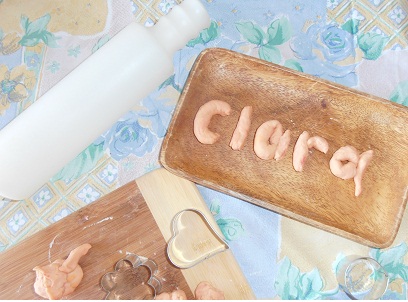
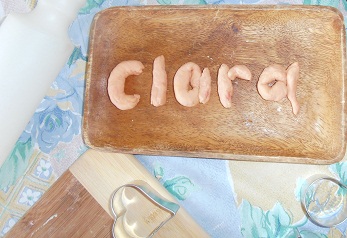
Step 3Show the child how to make a few letters of the alphabet, preferably beginning with the letters in their name. Then let the child have a go or take turns at making alternate letters in their name.  Say the names and the sound of the letter you are making and trace it with your finger.

Step 4If the child would like to make some other letters, names, words etc then help them to do this or else let them freely create whatever they would like with the playdough.

OLYMPUS DIGITAL CAMERA

Playdough is a wonderful relaxing activity which is brilliant for; releasing stress and creating calm; developing the senses, hand muscles and hand control;  enhancing creativity and expression; as well as having many other benefits.  When using playdough to make letters, children are learning  to recognise the alphabet in a fun creative way.  They are also learning about letter formation and how to write their name. Get them to trace the letters they make with their fingers as you say the sound – this gives them a concrete visual picture of the letter and the sound it makes.  When introducing letters give the name as well as the sound it makes so that children are becoming familiar with both.  Knowing the name of the letter without the sound it makes is quite useless as the letter rarely sounds like its name and therefore is no use when children are learning to sound out letters and words.  Most of all just have fun with it as the best learning of all takes place when enjoyment is involved!

Happy GuidingOLYMPUS DIGITAL CAMERA

from,

Darling Precious Children

Starting Big School!

OLYMPUS DIGITAL CAMERA

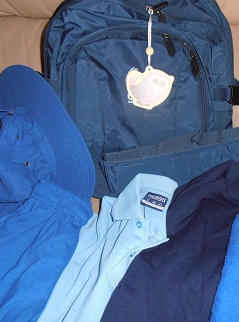
It doesn’t seem all that long ago that you were taking your tiny newborn baby home from hospital and now all of a sudden they are starting big school! Where did that time go and how can it be possible? It can be a nervous time for parents and children but with a little planning ahead to make sure your child is emotionally and spiritually ready, it can be a lot easier.

Don’t worry if they don’t know their whole alphabet, all their numbers, or three different languages – that’s what they are going to school for! If they have been to pre-school they probably already know more than enough academic stuff to begin kindergarten anyway.  Remember what I said in ‘The importance of building confidence’  – Self-esteem has a far greater impact than intelligence or ability!  This is Paramount, so give them the confidence they need to begin with some of these simple effective tips:

Toileting

It is really important to make sure that your child is confident about going to the toilet on their own.  They will need to know how to: undo and do up their pants and other clothing, get onto the toilet by themselves, wipe their bottoms correctly, turn taps on and off, and wash and dry hands. Your child may already be doing all of this on their own but if not, make sure they begin now as you won’t be around at school and they need to be able to do this without you.

Dressing and Undressing

There will be times when your children will need to change for swimming, sport or even just the weather e.g putting a jumper/cardigan on and off. Let them dress themselves every morning and undress at night (if they don’t already) so that they can get the hang of it and feel completely secure by the time they start school.

Drinks and Lunches

Some children may have been making their own lunches since the age of about two and a half but if they haven’t don’t panic. Children of five years of age are quite capable of making a sandwich and putting some fruit, yoghurt or whatever your child has for lunch into a lunch box. But even before they can do all of this, it is essential that your child is able to easily open and close the lunch box, plastic/foil wrappers, drink bottles, poppers, yoghurt containers, and eat fruit/vegetables without it having to be peeled or chopped. Also make sure that you or your child check that there is a spoon for the yoghurt or fork for rice etc so that your child does not panic when they get to lunch and there are things missing.  All of this helps them to feel secure and less anxious about meal times at school.

General hygiene and Self help

Anything you can teach your child to do for themselves will make them feel more secure.  Things that we take for granted like being able to: blow their own nose and wash their hands afterwards, wash hands before lunch or after outdoor or messy activities, hang their coat on a hook, put on and take off their own shoes, pack and unpack their bags etc, will all help them to feel more confident.

Manners and Communication

Saying please and thank you was once taught in each and every home but these days some adults have forgotten about basic courtesy and manners, so therefore they do not teach their children any.  It’s really important that your child learns some basic manners and communication skills.  This will help them in all aspects of life but particularly with meeting new people.  Firstly practice good manners yourself by saying please and thank you and also by sharing, caring and turn taking etc, and then help your child learn these skills.  Go through some scenarios of asking other children to play or if you can borrow something from another child etc, and role play what they could say. Be an open communicator yourself and ask your child how they feel about starting a new school. Do they have any concerns or is there anything they are unsure of? What are they really looking forward to about their new school? Then answer their questions as honestly and reassuringly as you can. This will help them to communicate with others and communicate their feelings.

Planning and Organisation

Teach them about planning and organising so that they are able to unpack and pack their bags and  organise what they will need for the next day. Talk to them about the general sequence of the day and again ask them if they have any concerns or anything they would like to find out more about? Then answer all their questions. Read my previous post: 2013 – Your Child’s Next Exciting Chapter! For more information on how you can help your child plan and get organised.

OLYMPUS DIGITAL CAMERA

Some other ways to help your child feel more secure and excited about starting big school:

  • Let them make simple choices and be in control of the things that they can be in control of such as picking a new lunch box, drink bottle, pencil case, pencils etc and get them to tick these off a list. Then let them set out the things they will need for the first day. This will help them feel more enthusiastic and that they have some control. 

  • Visit the school and point out the swings or new classrooms etc to help children feel more familiar with the new environment. 

  • Start going to bed a bit earlier about a week or two before school begins. Wake your child up around 10 minutes earlier than usual and let them go to bed 10 minutes earlier each night until you have the timing right for school term.

  • Find out about drop off and pick up so that you know how long you can stay the first day or if it is recommended that you leave quite quickly.  Make sure you plan ahead how you will say goodbye and talk to your child about this.  Will you give a quick kiss and hug and say goodbye or will you stay and wait a while until your child feels settled? Think about what your child needs. This way your child will also know what is going to happen that first day and not feel as nervous.

  • If you can meet some of the other children before school starts, you might like to organise a meet and greet play time. But if not, it doesn’t matter as they will meet new friends soon enough once school starts.

  • Read some good books about starting school such as: I Am Too Absolutely Small For School by Lauren Child; First Grade Jitters by Robert Quackenbush; Sam and Gram and the First day of School by Dianne Blomberg;  or When you go to Kindergarten by James Howe.

Remember, school is supposed to be fun! Yes you are supposed to go there and learn but most of us who have been there and beyond realise that most of your learning actually happens after you leave school, so don’t take it all too seriously. If your child is happy, meets some friends and learns how to read, write and do a little maths then that’s all that really matters – They have a lifetime to learn the rest! Read all my previous posts to find out more about how you can positively guide your child throughout their school lives and beyond, plus stay tuned for more information on how you can do this.

Happy Guiding

from 

Darling Precious ChildrenOLYMPUS DIGITAL CAMERA

Children and giving at Christmas

OLYMPUS DIGITAL CAMERA

Ever since I was a child myself, I have absolutely loved Christmas! It may be because I have always been surrounded by children and you can’t help but be joyful when everyday is spent with beautiful little people or maybe it’s because secretly I’m just a big kid myself  – but I love everything about it! From spending time with family and friends to the decorations, Christmas carols, Christmas craft, fancy food, present giving and Christmas parties – I love it all. Each year I begin planning earlier and earlier so that Christmas lasts even longer. Yet while I enjoy all aspects of it, I’m always mindful that it isn’t like that for everyone. Christmas is a wonderful magical time for many but for others it can be quite the opposite. It may be a time of great loneliness, neediness and depression. Although colourful lights, Santa and Christmas trees are a huge exciting part of Christmas, it is really important that as adults we do not lose sight of the big picture and the wider community.  There is nothing wrong with celebrating, decorating, buying gifts, etc. but children should also be taught about caring for others.  Charity should be a part of our lives throughout the whole year but Christmas brings the perfect opportunity to teach children about giving to those less fortunate and also about the real meaning of Christmas.

Teach them about the real meaning of Christmas

Whether you believe in Jesus and the Christmas story or not, it is important to share it with children so that they know why Christmas is celebrated.  Some people celebrate Christmas as being the end of the year and do not associate it with Jesus being born but I think it’s important for children to understand how it all began.  The best way to do this is through children’s books or a child friendly bible. Regardless of your faith, present it as a story or as what some people believe but children should be educated about such a huge yearly event.

Teach them to GIVE

Teach your children to be gracious and grateful by showing them to care for others and to give, not only at Christmas but always.  Make sure you explain why you are giving and how important it is. Here are a few of my favourite charities and ways that you and your children can give at Christmas time:

World Vision

 World Vision has some great gifts you can buy for people in poor communities. When you  buy a gift from World Vision, the recipient receives a Christmas card detailing what you bought and how it helps. Presents begin from $5.00 and that will buy school pencils which will enable children  to dream and create.  Some other great gifts you can buy to support these communities in need are:  chicken and eggs $10.00,  mosquito nets $15.00,  much needed child immunisation or school books   $25.00 each,  blankets to keep warm  $35.00 and for $125.00 you can train a teacher or buy food for life! There are also lots more options of things to buy which will make a difference to children, families and communities.     And if you want to help the whole year through, consider sponsoring a child. For more information visit: http://trans.worldvision.com.au/Gifts/GiftCatalogue/Gifts.aspx

UNICEF

At UNICEF you can buy gifts that are delivered straight to needy children.  $34.00 will buy polio vaccinations for 200 children, $27.00 will protect 100 children from the measles, and $466.00 will provide a water pump for the whole community, plus there are many more gifts to choose from. Your loved ones will receive a card detailing the wonderful gift you bought in their name. We take healthcare for granted but these children won’t survive unless more people open their hearts. You have the power to make a difference to so many people’s lives and help a whole community. Find out how you can help at www.unicef.org.au

RSPCA

At the RSPCA you can help make a difference to many animals lives who have been abused, neglected and mistreated. Be their voice by supporting the amazing work of the RSPCA. Buy RSPCA Christmas cards or gifts and the proceeds will help make life better for many darling precious animals. Find out how at  www.rspca.org.au

Cancer Council

Almost everyone knows someone who has been affected by Cancer and so much more help is needed if we are going to eradicate this insidious disease. Give your support this Christmas by buying Christmas cards, donating money in lieu of gifts or asking others to donate money instead of buying you a gift at http://www.cancercouncil.com.au.

Make A Wish Foundation

The Make A Wish Foundation, with the sponsorship, donations, and  support of the community grants the wishes of children with life threatening illnesses. Support them by buying cards and gifts from Make a wish at www.makeawish.org.au

Another beautiful way to teach children about giving is to allow them to help you when volunteering your time.  As a family you can collect gifts, food and other necessities for families in need; help out in soup kitchens; or by delivering presents to needy families, etc. Also, check with local churches or charities and find out other ways you can donate or volunteer.

These are all great ways to get children into the real Christmas spirit and to show them what giving is really all about.  It’s important for children to know that giving isn’t about expensive presents it’s about helping those less fortunate than ourselves.  Make Christmas time the time to begin teaching your darling precious children a lesson so valuable that when taught consistently throughout the year will last a lifetime.

Happy guiding and a giving Christmas

from

Darling Precious Children
By darlingpreciouschildren Posted in Christmas

Sparkly Christmas Baubles

OLYMPUS DIGITAL CAMERA

What you will need:  foam ball, coloured paint, paint palette/container, plastic cup, plastic wrap, paint brush, glitter paint/glue, plastic tablecloth or newspaper to cover surfaces and a variety of the sparkliest sparkles you can find e.g stars, sequins, etc. 

OLYMPUS DIGITAL CAMERA

OLYMPUS DIGITAL CAMERA

Step 1 – Cover your surface area with newspaper or a plastic tablecloth and get out everything you will need to make your Sparkly Christmas Bauble. Then place plastic wrap fairly loosely over the rim of your plastic cup and let your foam ball sit securely on the plastic wrap.

OLYMPUS DIGITAL CAMERA

Step 2 – Hold onto the plastic cup and use it as a stand for your foam ball as you paint one side of the foam ball in your favourite Christmas colour paint.  Then turn the ball over and paint the other side.  Leave it to dry for a few hours or overnight and then repaint one side – letting it dry –  and then turn it over to paint the other side again. Leave it for a few hours or overnight once again to make sure it is completely dry.

OLYMPUS DIGITAL CAMERA

Step 3 –  Use the plastic cup and plastic wrap once again to help hold the foam ball. Then put some glitter glue paint into a paint palette/container and generously paint one side of the ball with glitter glue paint.

OLYMPUS DIGITAL CAMERA

OLYMPUS DIGITAL CAMERA

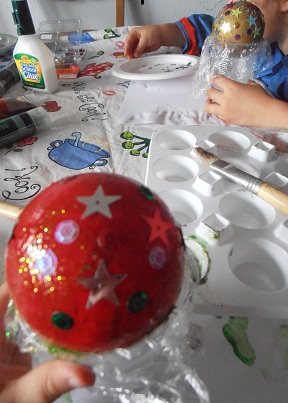
Step 4 – Using your fingers, carefully sprinkle or gently place some of your sparkliest sparkles all over one side of your glitter glue covered foam ball and let them sink in and stick.

OLYMPUS DIGITAL CAMERA

OLYMPUS DIGITAL CAMERA

Step 5 – After one side has completely dried turn the foam ball over and repeat step 4 on the other side. Then let the bauble completely dry again.

OLYMPUS DIGITAL CAMERA

OLYMPUS DIGITAL CAMERA

Step 6 – When the bauble is completely dry, press a piece of tinsel pipecleaner into the top at two points, making a hanging loop.

OLYMPUS DIGITAL CAMERA

Your Sparkly Christmas Bauble is complete and ready to sprinkle its Christmas magic, so place it where everyone can see it and feel the magic sparkle of Christmas!  Not only will your darling precious children love making these but they are also developing their fine motor skills, creativity, and an appreciation for all things sparkly : )

OLYMPUS DIGITAL CAMERA

Happy guiding and a magical sparkly Christmas

from,

Darling Precious Children

By darlingpreciouschildren Posted in Christmas

Heart Print Christmas Wreath

OLYMPUS DIGITAL CAMERA

What you will need: A strong cardboard plate, white paper, scissors, paint brush, green paint, glitter paint, red pom poms, blue-tack, craft glue/PVA, a Christmas Poem from the heart, laminater + laminating sheets, and some teeny tiny hands : )

OLYMPUS DIGITAL CAMERA

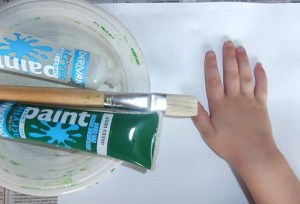
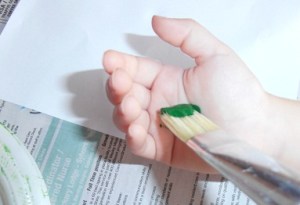
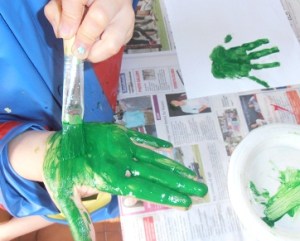
Step 1 – Paint green paint on the child’s hand or let them paint their own if they are able to.

OLYMPUS DIGITAL CAMERA

OLYMPUS DIGITAL CAMERA

OLYMPUS DIGITAL CAMERA

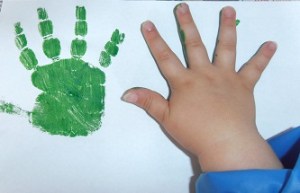
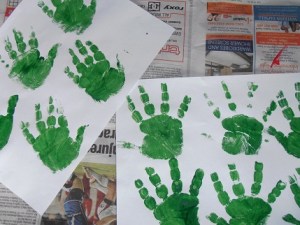
Step 2 – When the hand is completely covered with paint help the child to press it down firmly on the white piece of paper without moving it, then lift it gently. Repeat the same process several times so that you have at least five or six prints with one hand and then do the same with the other hand. You should have about ten to twelve prints all up.

OLYMPUS DIGITAL CAMERA

OLYMPUS DIGITAL CAMERA

Step 3 – After the green paint has dried, paint the handprints with glitter paint and let that dry.

OLYMPUS DIGITAL CAMERA

OLYMPUS DIGITAL CAMERA

Step 4 – Carefully cut out each hand print and then laminate them. When laminating is complete, carefully recut each print leaving a small edge of laminate around each hand.

Step 5 – Either write or find a Christmas poem – written from the heart. Type it up, cut it to size and print it, then laminate it and cut it out.

Step 6 – Get cardboard plate, blue-tack, handprints, Christmas Poem, pom poms and craft glue/PVA ready.

OLYMPUS DIGITAL CAMERA

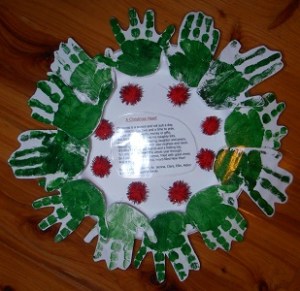
Step 7 – Blue-tack the handprints around the plate exactly where you want them and then adjust them as you see necessary.  When you are happy with how they fit, remove one handprint (removing the blue-tack) and put a line of glue on the plate where you want to paste it. Firmly press it down  and then repeat the process with each handprint one by one until each handprint has been pasted on.

Step 8 – Glue your laminated heart-filled Christmas Poem in the centre of your plate/wreath.

Step 9 – Glue your red pom poms randomly around your poem with fairly even spacing between each.

Step 10 – Your gorgeous Heart Print Christmas Tree is complete, so place it somewhere special where everyone can see it and feel the Christmas love.

OLYMPUS DIGITAL CAMERA

This is a fun and fabulous activity for developing creativity, fine motor, and an appreciation for the real meaning of Christmas!

Happy guiding and a heart-filled Christmas,

Darling Precious Children

p.s  – If you have more than one child it is lovely to combine all the different hand/heartprints in the one wreath as I did : )

OLYMPUS DIGITAL CAMERA

By darlingpreciouschildren Posted in Christmas

Developing Your Child’s Confidence

Alvin-Price-about-Childrens-Self-Esteem[1]

With support and effective teaching and parenting techniques, a child’s spirit, confidence and self-esteem can be nurtured and developed. This is a huge topic and one that cannot be covered in one blog, but this is a fantastic place to start! The first and most important way to do this is to always begin from a place of love and respect. This means making all your choices – especially as a parent – based on love. Another basic way to do this is when you are introducing new tasks/experiences to the child or class. Give children the skills they need to learn the new task/experience that they are endeavouring at and then scaffold their development until they have mastered it.  Sounds too simple? Well it can be, just keep working at it. My aim is to develop confidence in all children so that they have the inner belief  that they can achieve all that their heart desires.  It’s all about having the tools to reach your fullest potential!

Make all decisions based on respect and love for the child!

This is the absolute most important point I will ever make about guiding children and nurturing their spirit. When making any decision at all relating to a child, think to yourself – am I making the decision based on love, respect and the child’s needs or out of my own needs and the quest for control?   If you make all your decisions with this in mind you can never truly go wrong. Loving and respecting the child means listening carefully to what it is that they want and never using your power as a bigger and older person to control the child in any way. I will make this point clear – never ever aggressively scream at, bully or belittle a child! They have just as much right to be respected (in my opinion – even more so!) than any adult. Would you disrespect an adult in this way? If your answer is yes, then you have a lot to learn and probably need far more help than I can offer. If it is no, then why would you do it to a child? Make this the day that you stop! Calm loving behaviour is far more effective than being aggressive.  All aggression does is result in tension, anxiety and anger and has no place whatsoever in guiding and nurturing a child! It is also one of the quickest and most effective ways to break your child’s confidence and self-esteem – Don’t do it!

Failure is not a bad thing, it’s another opportunity to learn!

It is so important for children not to see failure as a bad thing but as another opportunity to learn. Many psychologists agree that the risk of failure may hold children back from learning new skills.   By not attempting new tasks a child’s developmental growth can be stunted. Never let children’s failure reflect on their self-image or self-worth.  Failure is a means to an end – learning and eventually succeeding.  (stay tuned for my upcoming blog – Famous Failures)

Help them achieve their goals!

Find out what your child’s needs and interests are. What would they like to learn about or be able to do? – then help them achieve their goal.  Children usually achieve far more when adults provide them with clear instruction, ample time to practice, give positive prompts and feedback and allow that child to practice a skill until its achieved. If a child does make a mistake the worst thing an adult can do is tell them that they are wrong, instead show them the correct way without being condescending and  domineering.

Praise and Encourage!

Praise and encouragement is imperative in developing confidence. Encouragement helps children know that they are good enough as they are. Some experts say that praise and encouragement should be used sparingly in order for children to acquire intrinsic self worth and motivation but I totally disagree. Praise and encourage that child as much as it needs you to – better to encourage too much than not enough!

Here is a practical example:

Your three year old child says; “Can you please show me how to make a sandwich?” You get out the butter, bread, butter knife, Vegemite and place two slices of bread on a plate.  Begin by demonstrating how to place your knife into the butter and carefully spread it on the bread. You then give your child a turn. The first time you could say “Lets do this together,” and let them hold the knife and spread the butter while you hold the top of the knife and guide their hand. Then let them have a turn on their own. If you see that they are having trouble and putting big chunks of butter in one area on the bread, you don’t say “That isn’t right let me do it for you.” Instead you would say “Great job, can I just show you how to scrape the butter off this side and put a bit more on the other side?” or something similar which is still positive and gives the child the opportunity to say yes or no.  If the child would like you to repeat the task then you can show them again, if not there will be other opportunities and that child has been given the confidence to try again. Follow the same procedure with spreading the vegemite and cutting the sandwich in half. 

More Practical examples to come : )

Where to next?

Each day or as necessary, repeat the same strategies.  If the child would like to try a new task – encourage them. Then go through each stage together e.g. demonstrating, describing, listening to their concerns, encouraging, praising, reinforcing, scaffolding. Scaffolding is based on the work of Vygotsky – a well known psychologist – and is a process where an adult or more competent peer provides support and assistance to a less competent child.  They adjust the amount and level of support (according to need) as the child progresses. This helps the less competent child become more competent and ultimately they’re able to carry out and complete the tasks independently.  I use this method often in my work with children and what I find is that as they progress, their confidence shows a huge increase from not having the confidence to independently attempt challenging tasks at all; to being able to show a younger child how to do these tasks.  

Nurture and value the child as an individual!

By following the child’s needs and interests with love and respect and by giving them the tools they need to achieve independence, adults can aid the development of confidence.  In addition, they do this by loving, respecting, nurturing and valuing the child as an individual, this validation leads to better self-esteem.  With the confidence to try new things, children believe that they can achieve anything and this gives them hope.  Hope is usually a normal part of development but it can be stunted or allowed to flourish depending on what is going on around the child. Therefore, always provide positive opportunities to help a child develop new skills and encourage and praise them often in order to keep building their confidence and self-esteem!

Happy guiding,

Darling Precious Children

P.S

Checkout my recent blogs: The Importance of Building Confidence and Darling Precious Roly Poly Christmas Tree.  And stay tuned for more great Christmas ideas +  upcoming blogs about Famous Failures AND Getting your child ready for big school!