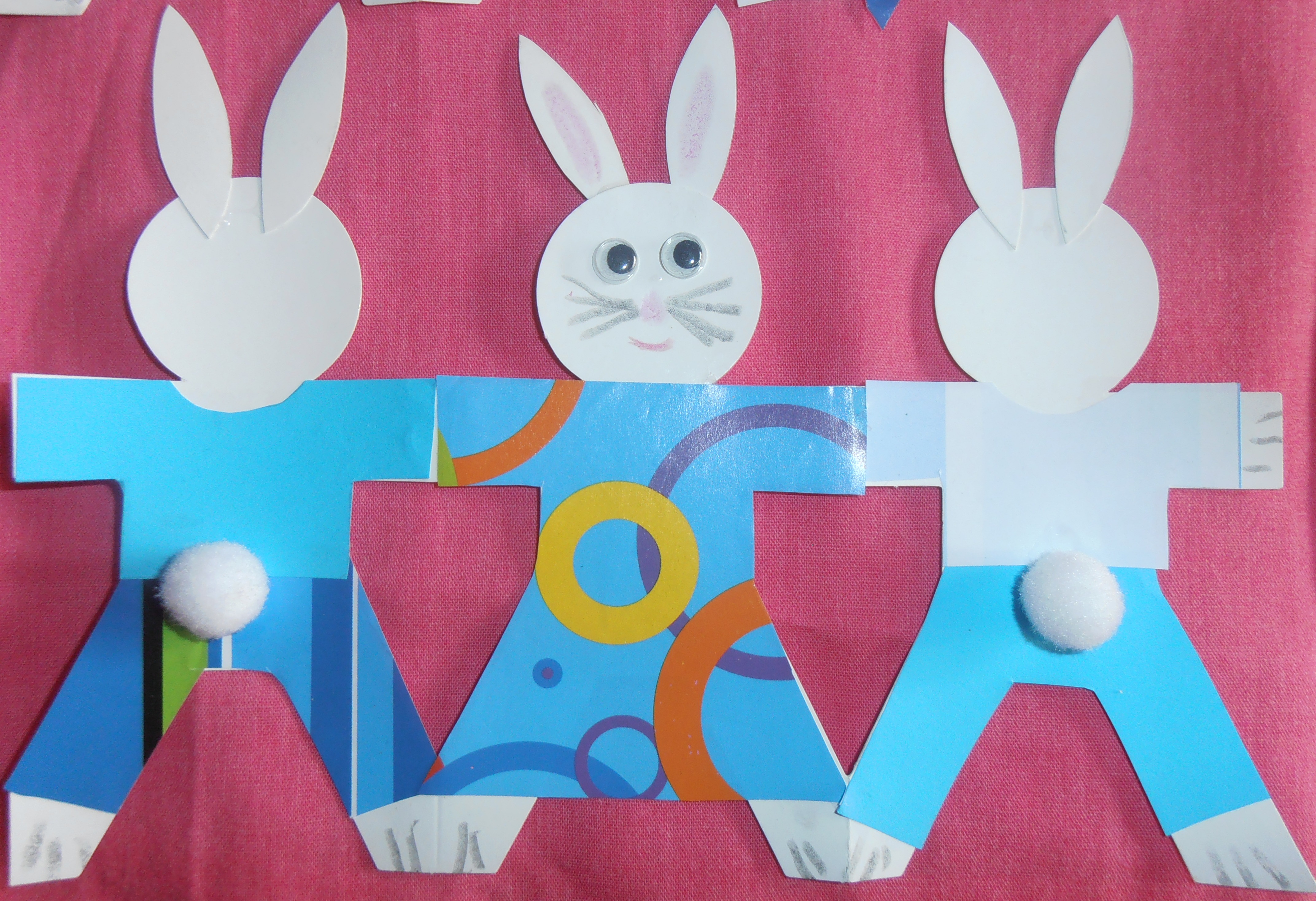
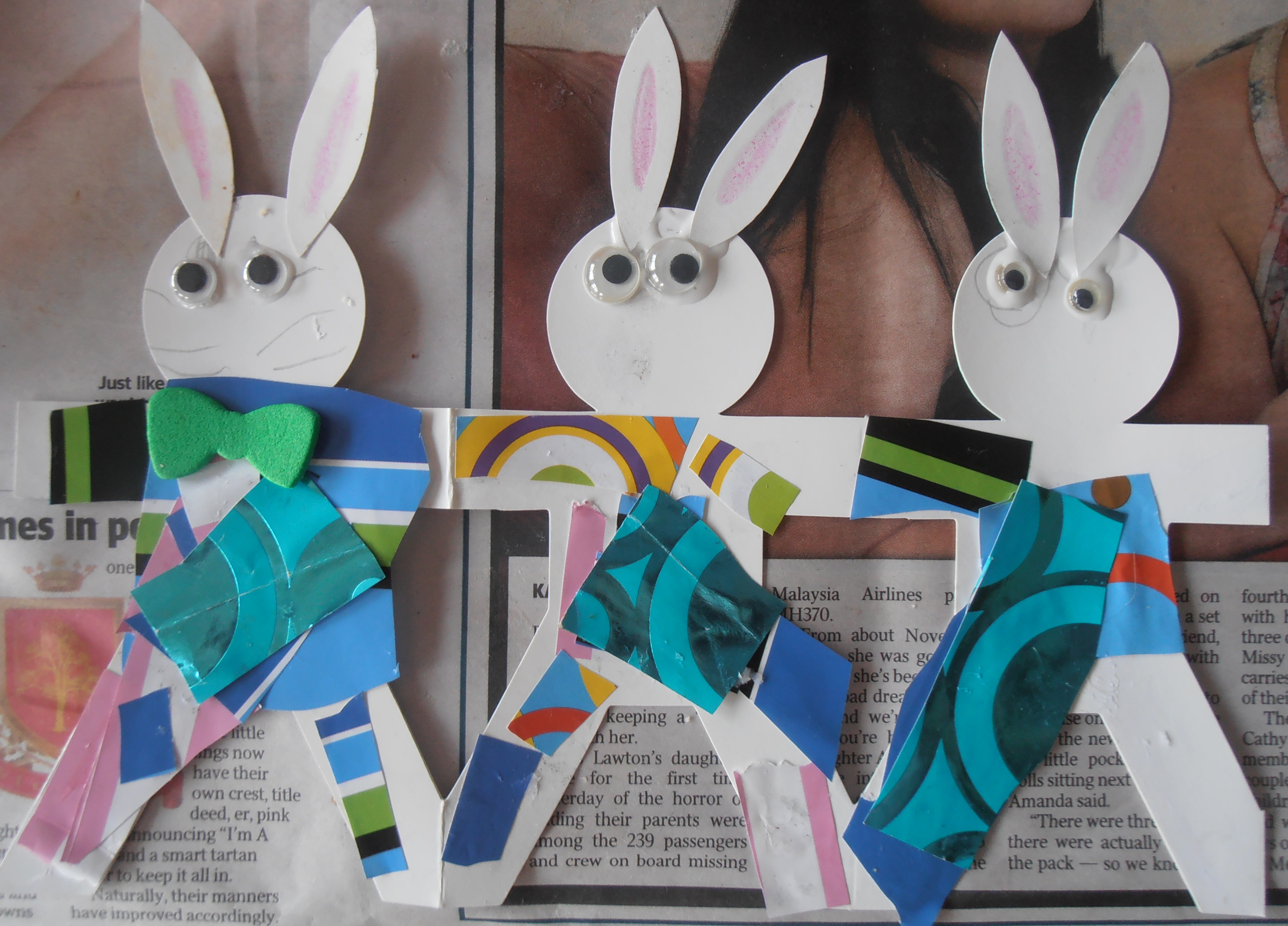
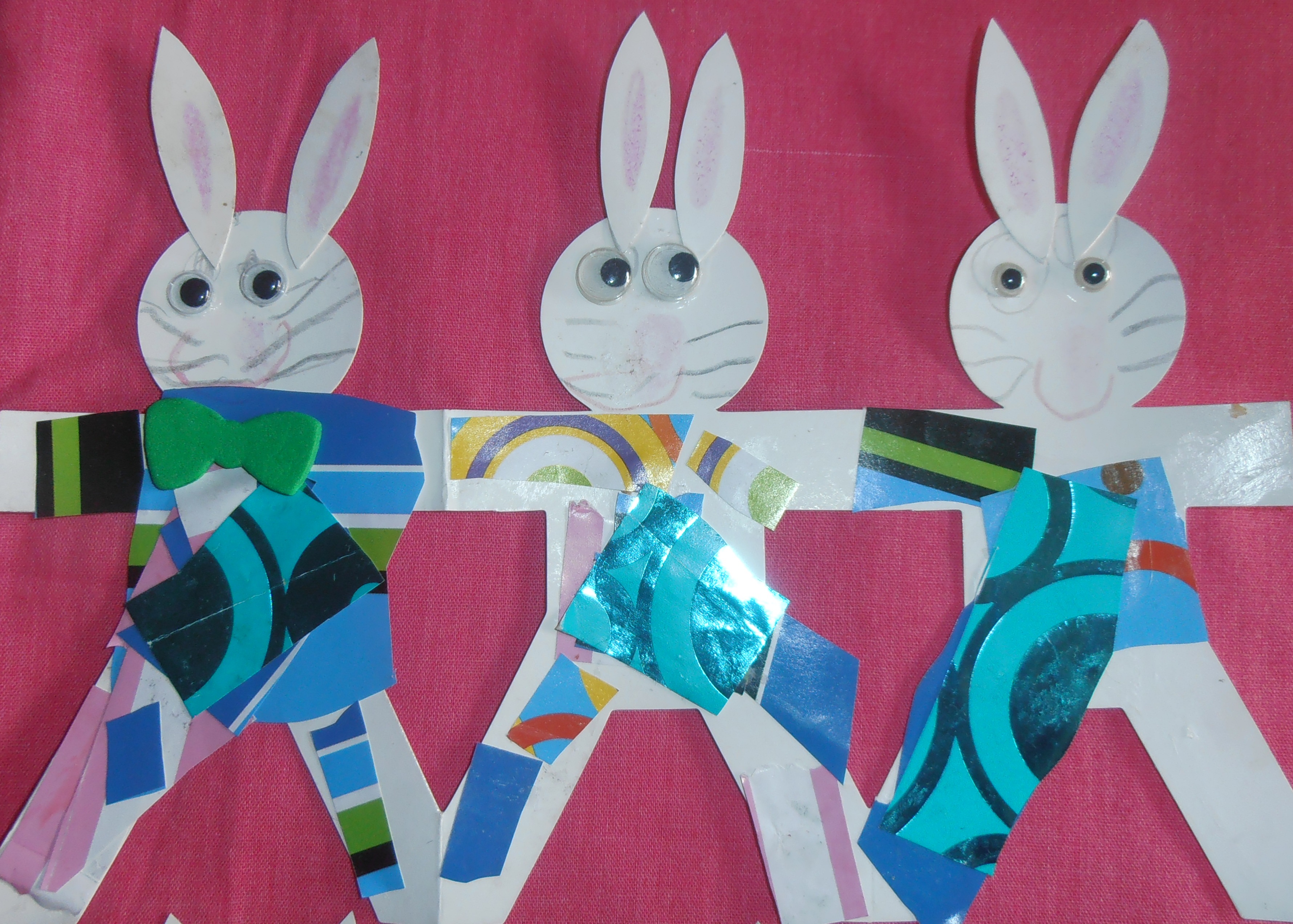
Easter Bunny Buddies!

OLYMPUS DIGITAL CAMERA


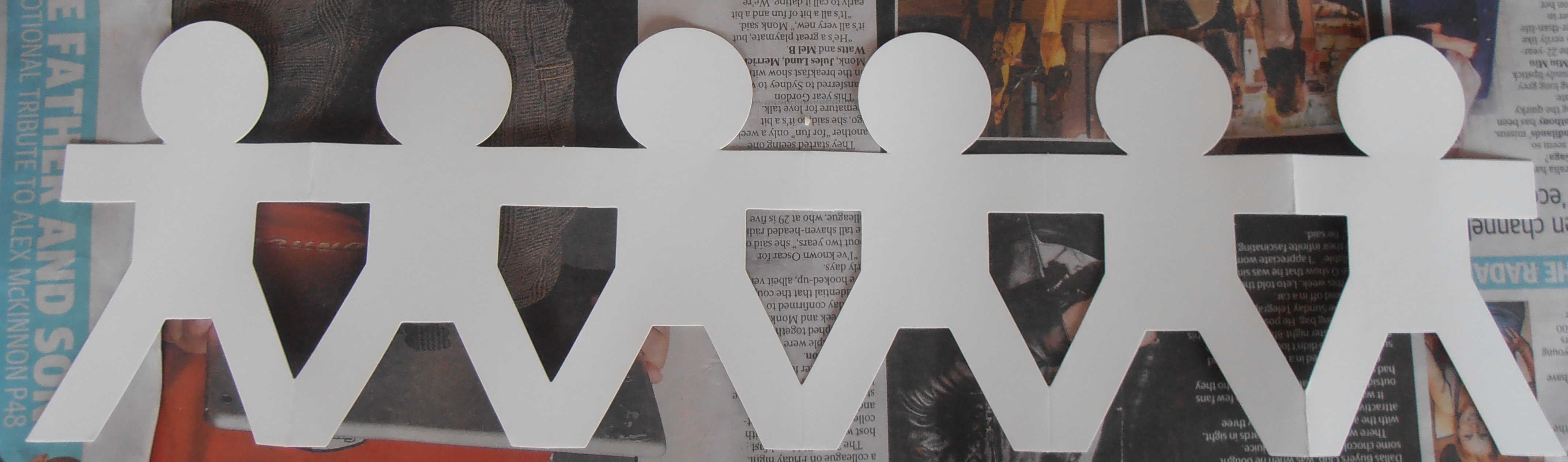
What You Will Need – Paper cut out people; white cardboard (for bunny ears); different coloured wrapping paper; coloured pencils/textas; fluffy pompoms; googly eyes; scissors; PVA glue.


OLYMPUS DIGITAL CAMERA

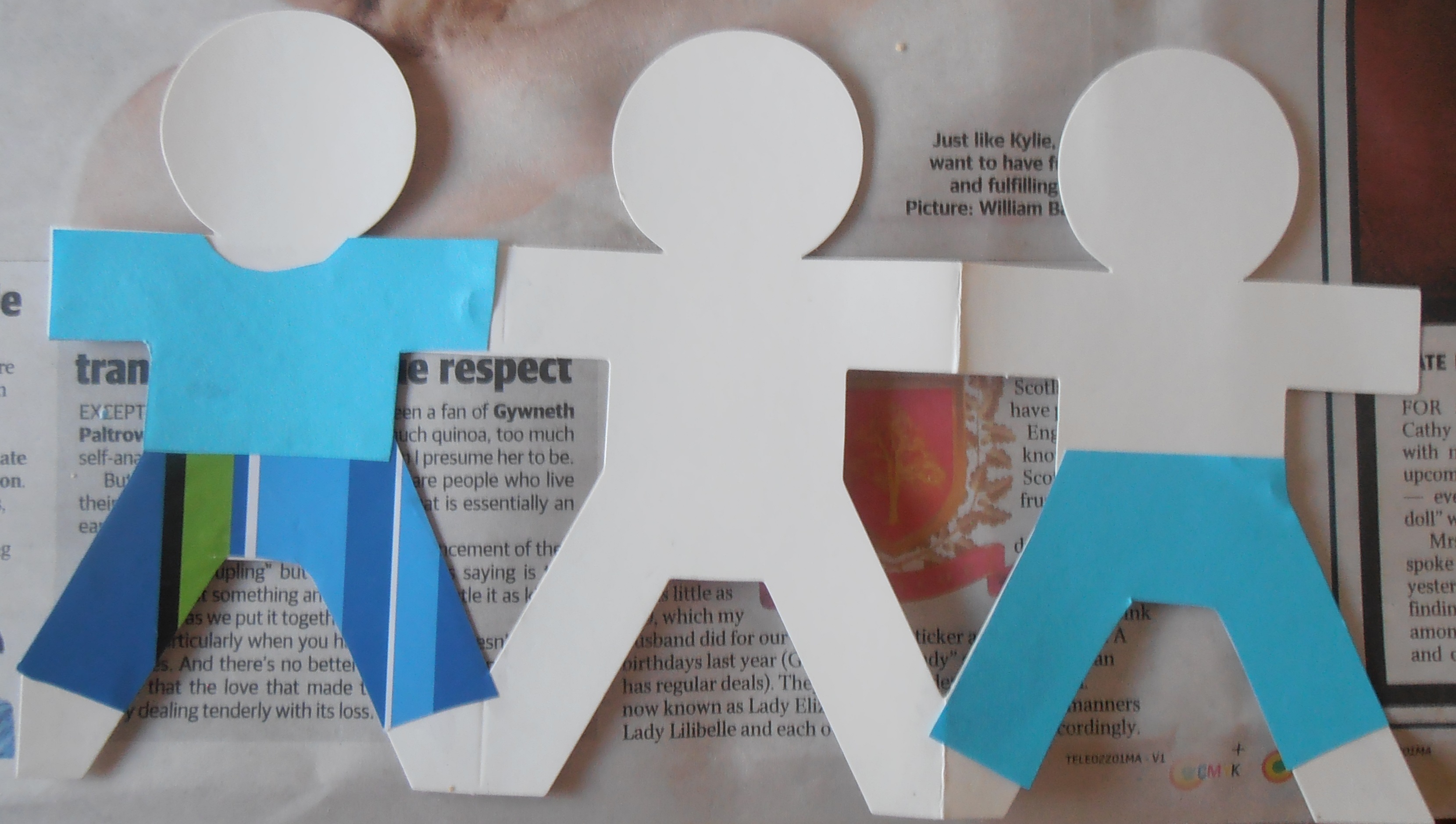
Step 1 – Place a piece of wrapping paper under your cardboard person and trace the shape of pants, shirts, dresses, shorts –  or whatever outfit you would like –  with a lead pencil.

OLYMPUS DIGITAL CAMERA

Step 2 – Using a scissors, carefully cut out the clothes along the lines you have just made with your pencil. Then paste them onto your paper cut out.

OLYMPUS DIGITAL CAMERA

Step 3 – Draw a template for your Easter bunny ears onto a piece of white cardboard and trace this to make as many ears as you will need. Then carefully cut these out and glue them on with your PVA glue.

OLYMPUS DIGITAL CAMERA

OLYMPUS DIGITAL CAMERA

Step 4 – Colour the centre of your bunny ears in pink and then draw on anything else you would like e.g face, paws etc using your coloured pencils.

OLYMPUS DIGITAL CAMERA

Step 5 – Using PVA glue, stick on googly eyes and a pompom for a tail (if you have any bunnies facing backwards).

OLYMPUS DIGITAL CAMERA

OLYMPUS DIGITAL CAMERA

Your cute little Easter Bunny Buddies are now complete!

OLYMPUS DIGITAL CAMERA

OLYMPUS DIGITAL CAMERA

Happy Easter!

From

Darling Precious Children


Jump In! Find Your Inner Child

OLYMPUS DIGITAL CAMERA

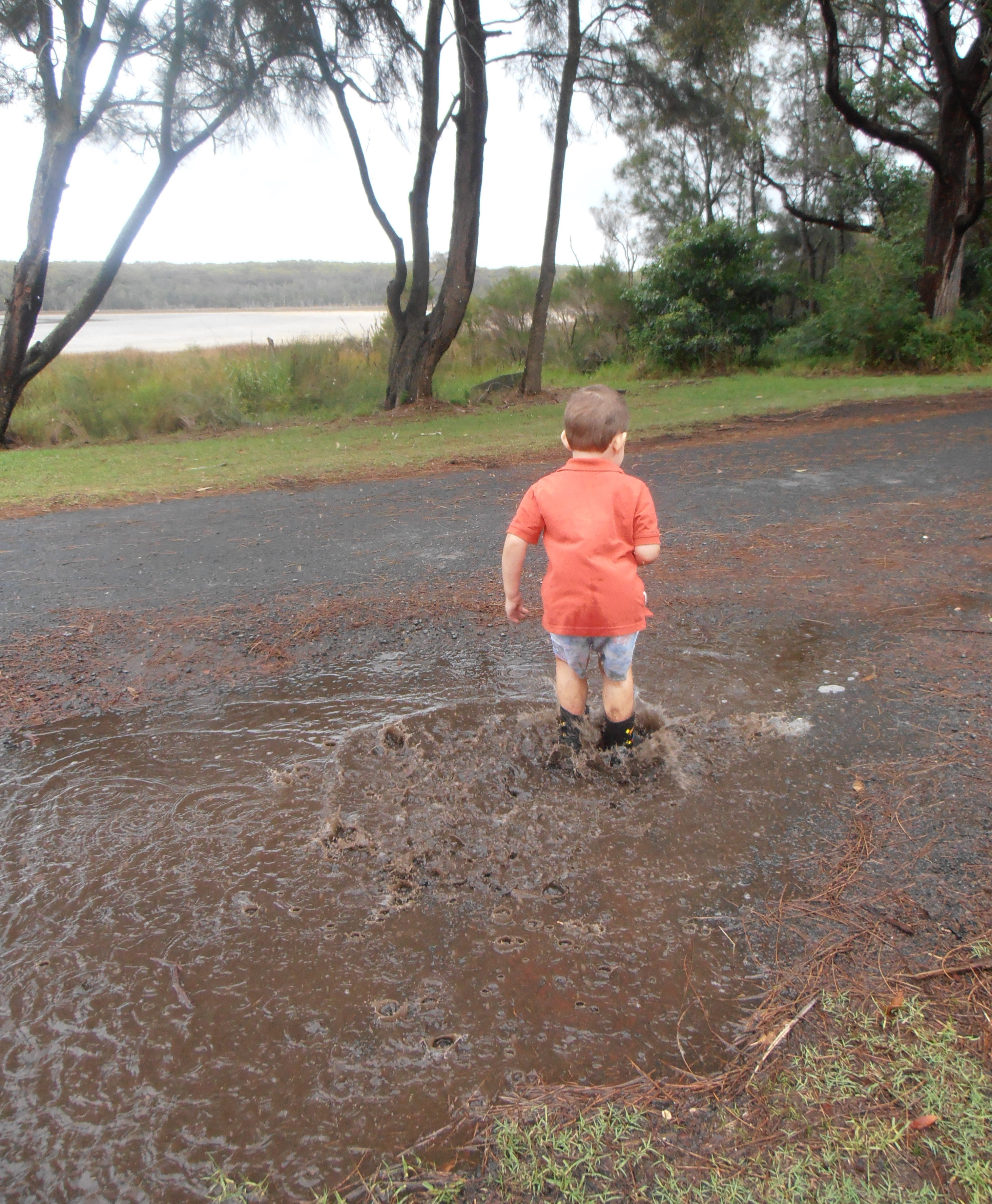
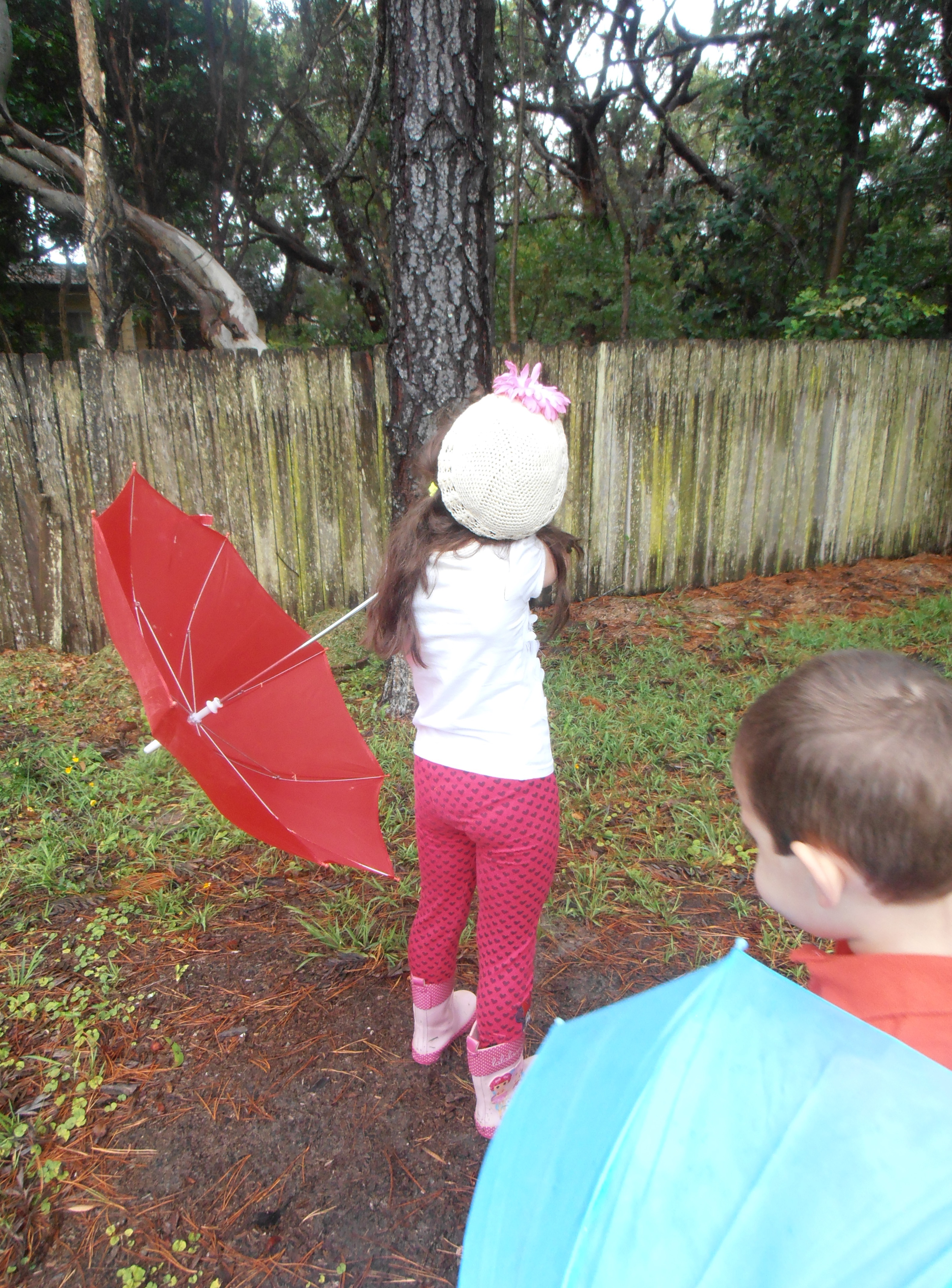
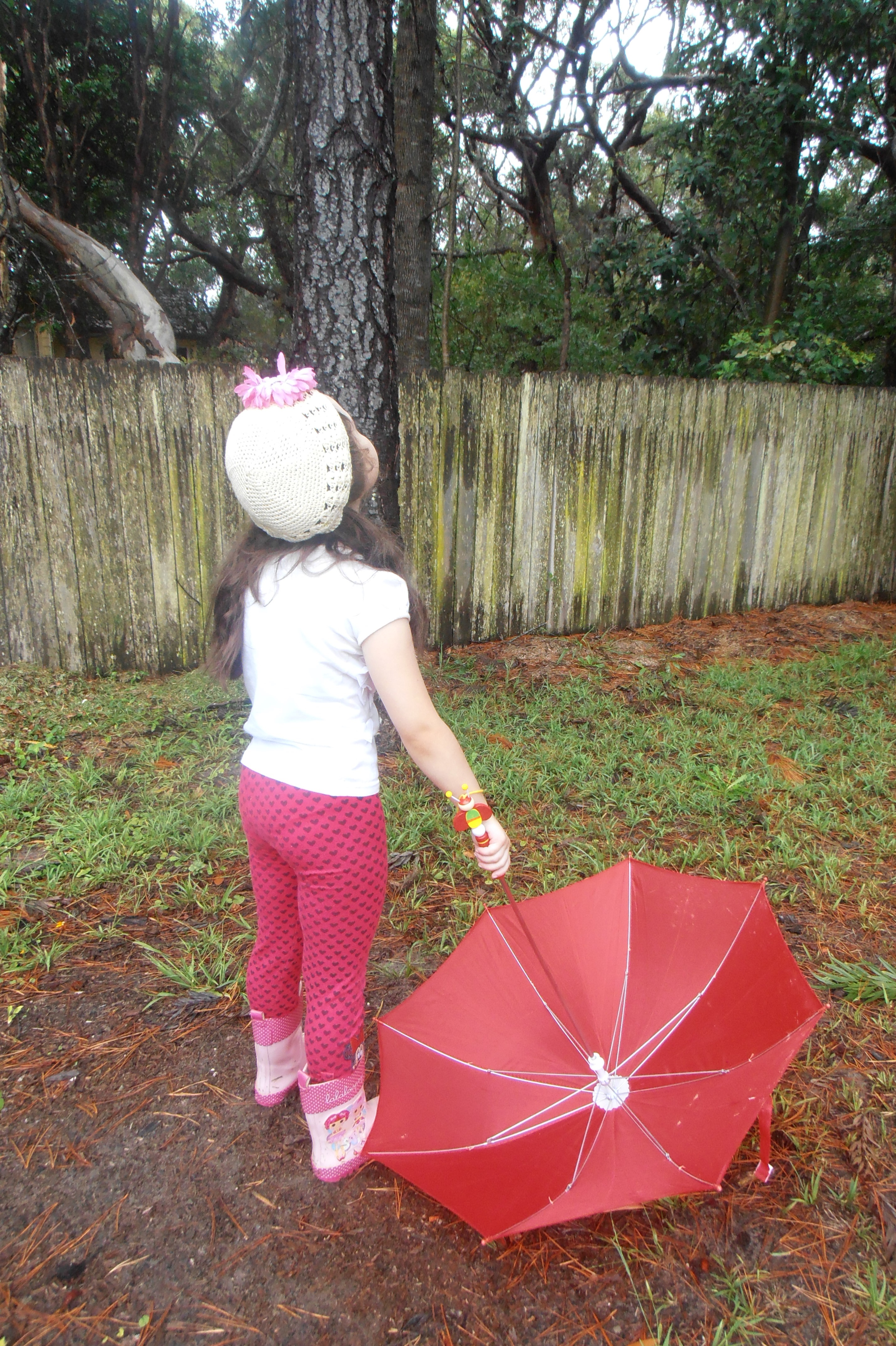
Watching my niece and nephew jump through muddy puddles recently, I had a thought – well  a few actually! The first one was that children really know how to have fun – in any weather. The second one was that adults could learn a lot from remembering their inner child and from observing children. And the third one was, how lucky are the children who have adults around who understand and remember what it is like to be a child!

OLYMPUS DIGITAL CAMERA

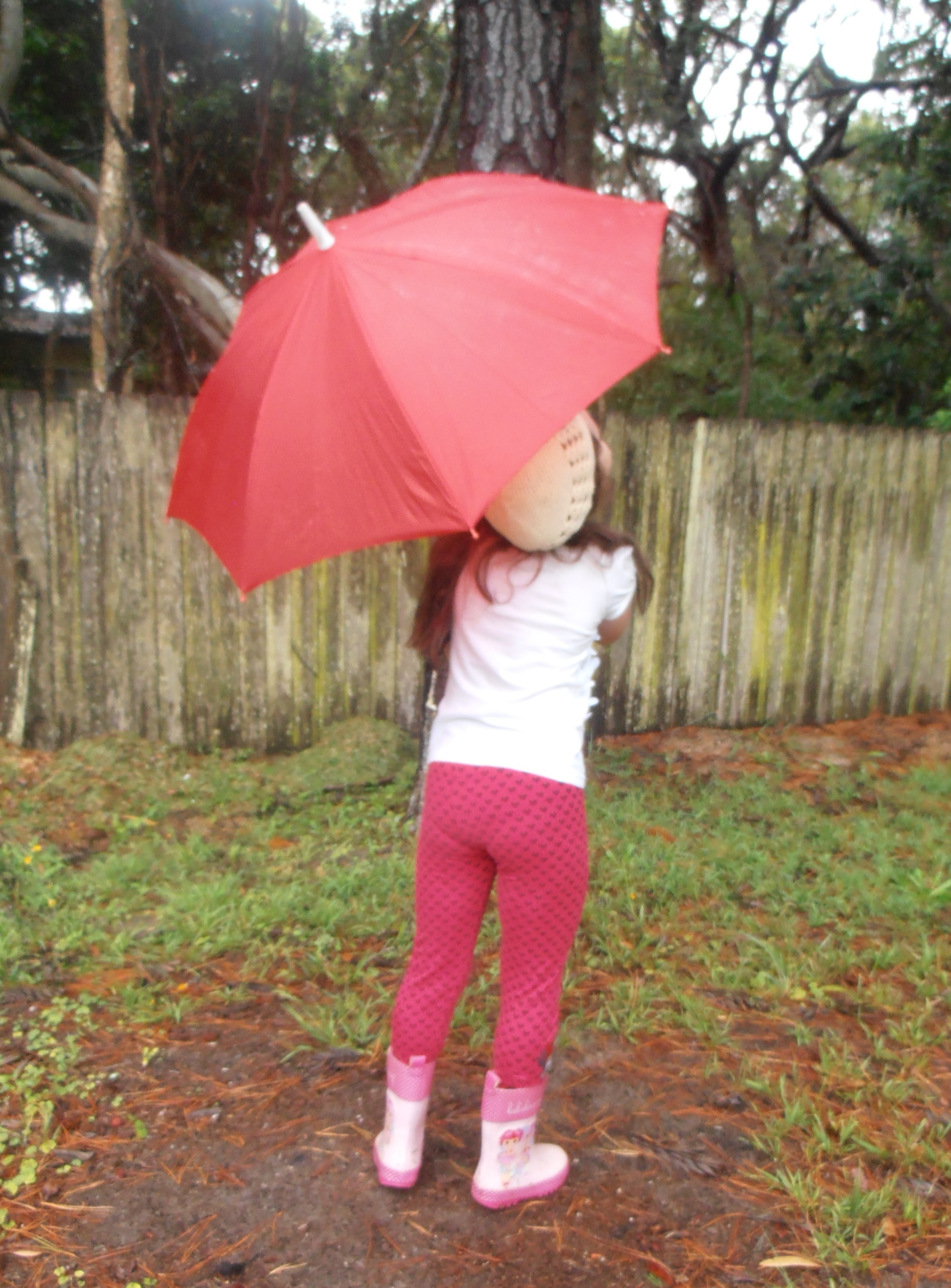
As soon as we feel the first drop of rain, many of us adults start whinging and whining about the inconvenience instead of embracing the change.  Not children though, well at least not the ones I know. They ask if they can put their umbrellas up and their gumboots on and go exploring. And when they get out there, wow do they have fun! They jump through muddy puddles and splash through the rain until they are completely dirty and thoroughly soaked…and happy! Reminding us that if we were to see every part of life and every season as an opportunity to explore and have fun – just like children do – then wouldn’t our life be that much more blissful!

OLYMPUS DIGITAL CAMERA


Adults could learn a lot from remembering their inner child and observing children.  We often get caught up in work, chores, bills and all the mundane tasks of being an adult and we forget to have fun.  Yes children don’t have the pressures that adults do and we can’t spend our day playing but what about some of the day?  We could go for a morning walk or an afternoon swim. We could jump on the trampoline with the kids after school or swing on a swing. Life is definitely not meant to be all work and no play.  To be happy we have to find a way to fit play in. Like the kids making the most of a rainy day and turning it into fun, we need to make the most of our rainy moments and find some positives.


OLYMPUS DIGITAL CAMERA

The other essential reason to remember our inner child is so that we can guide the children in our lives appropriately. If we forget that life is supposed to be fun then we often impose our negative way of thinking on the children in our lives. Whinging and whining that they can’t go out in the rain because they will get muddy and wet.  So what if they do get muddy and wet – they can have a warm bath and change into clean clothes when they are done! Adults often put problems in a child’s way that are not actually even there and only serve to hinder children’s growth. Before making decisions for the children in your care, take a walk back in the shoes of your inner child and then decide .

OLYMPUS DIGITAL CAMERA

OLYMPUS DIGITAL CAMERA

How lucky are the children who have adults in their lives who have not forgotten what it is like to be a child! They are the adults who encourage children to explore and think for themselves. They are the ones who do not just say no because it’s easier than saying yes. They ask the child what they would like to do without making every single decision for them. They are the ones who paint, glue, swing, ride bikes, swim, kick a ball, make cakes, run, dance, sing, eat the occasional treat food, etc, etc with the children in their lives.  And yes they are the ones who would put on their gumboots and jump through the puddles too. Adults who remember their inner child, understand why we must respect all children and treat them like the special people they are.

OLYMPUS DIGITAL CAMERA

So to all the adults out there who have not spoken to their inner child in years – get talking! Put those gumboots on and jump right in! Your life and the lives of the children around you will be enriched and empowered because of it and you will all be much happier.

OLYMPUS DIGITAL CAMERA

Happy guidance and jumping in muddy puddles,

from

Darling Precious Children

OLYMPUS DIGITAL CAMERA

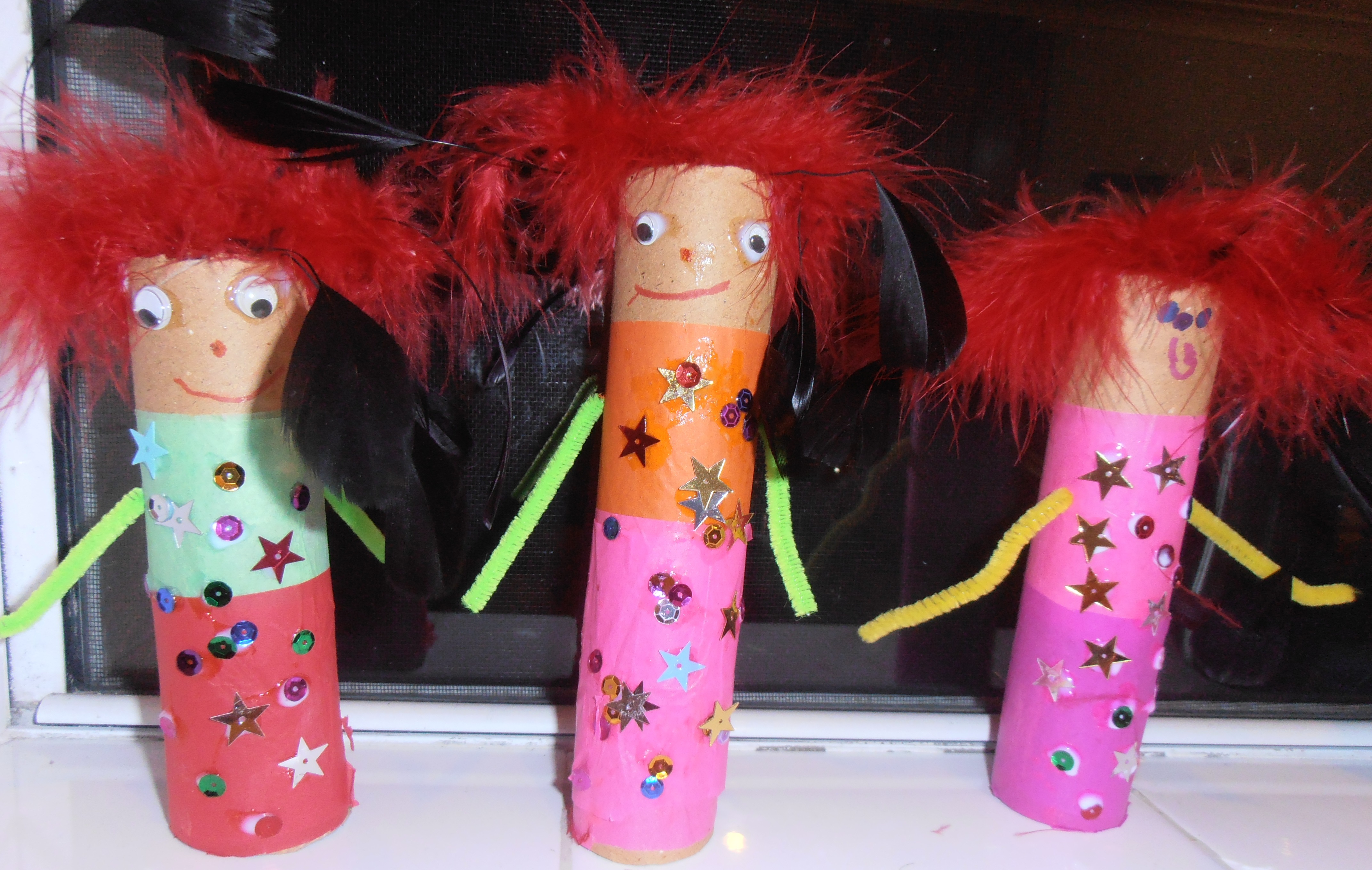
Rock and Roll Dolls

OLYMPUS DIGITAL CAMERA

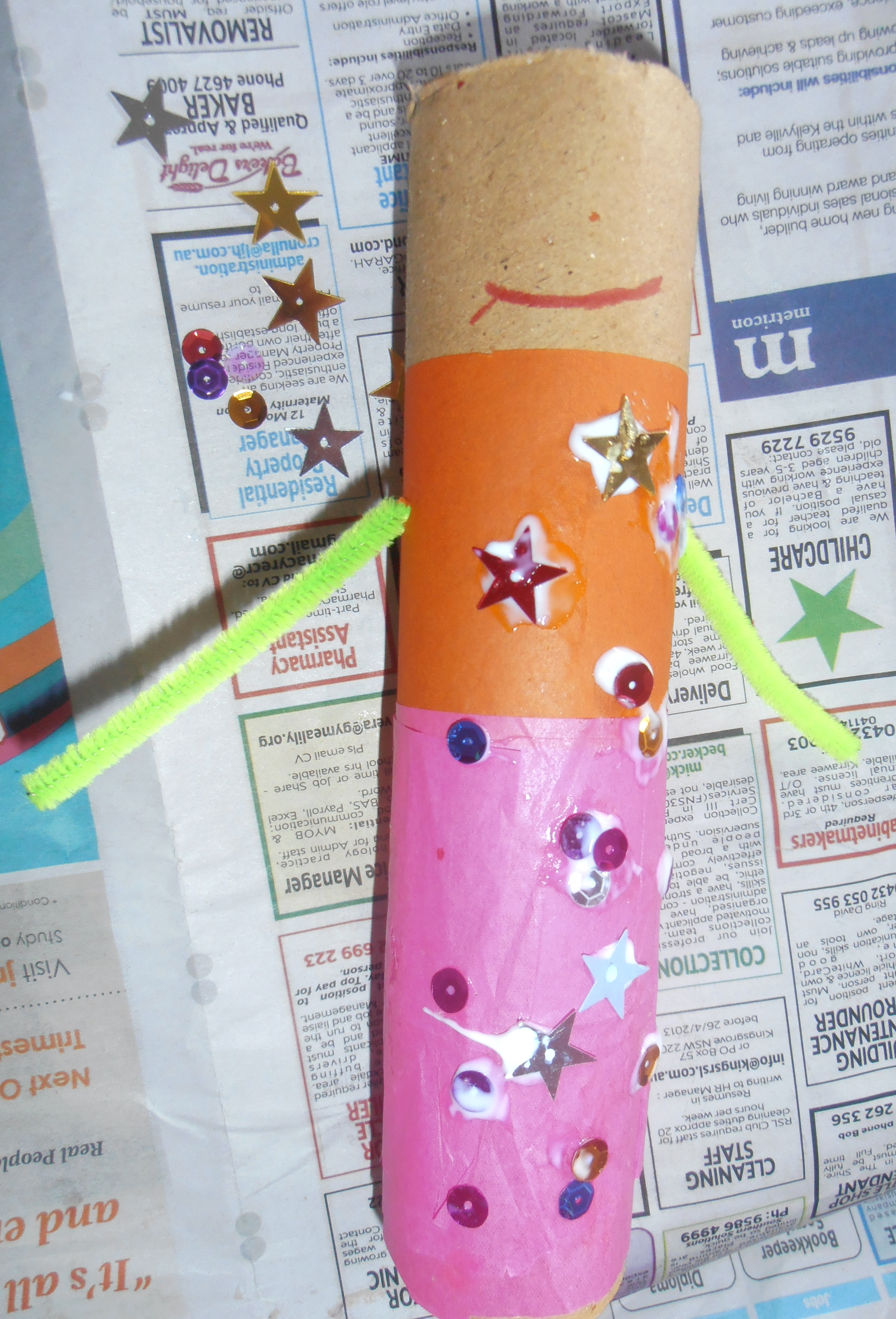
What you will need – Cardboard roll, coloured paper, googly eyes, PVA glue, glue stick, sparkles, pipe cleaners, pompoms/wool/feathers (for hair), scissors and textas/crayons/pencils.

OLYMPUS DIGITAL CAMERA

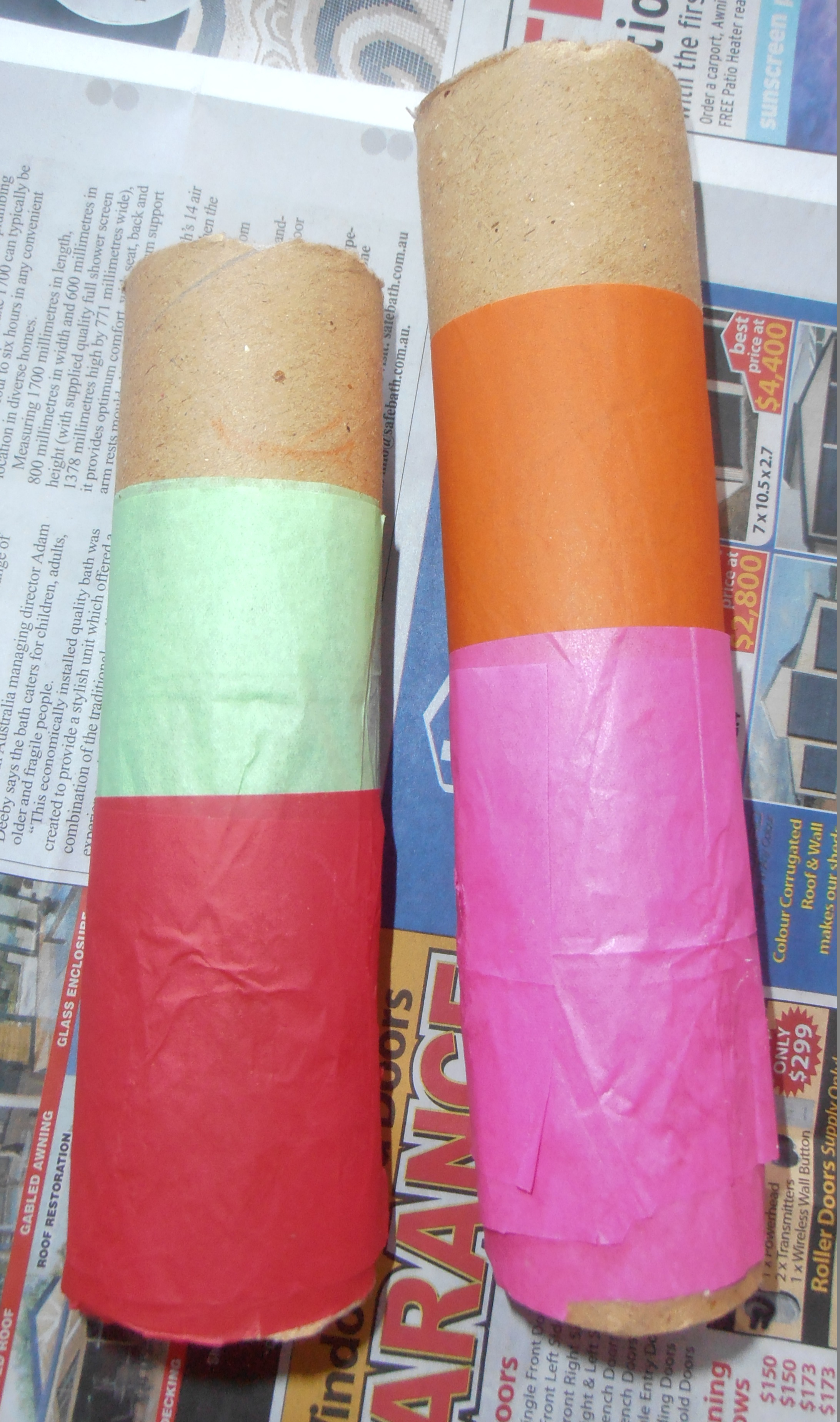
Step 1 – Cut coloured paper to size and glue around the bottom half of your doll with glue stick to make a dress, skirt or pants. Then choose another colour to add to the top and repeat the process.

OLYMPUS DIGITAL CAMERA

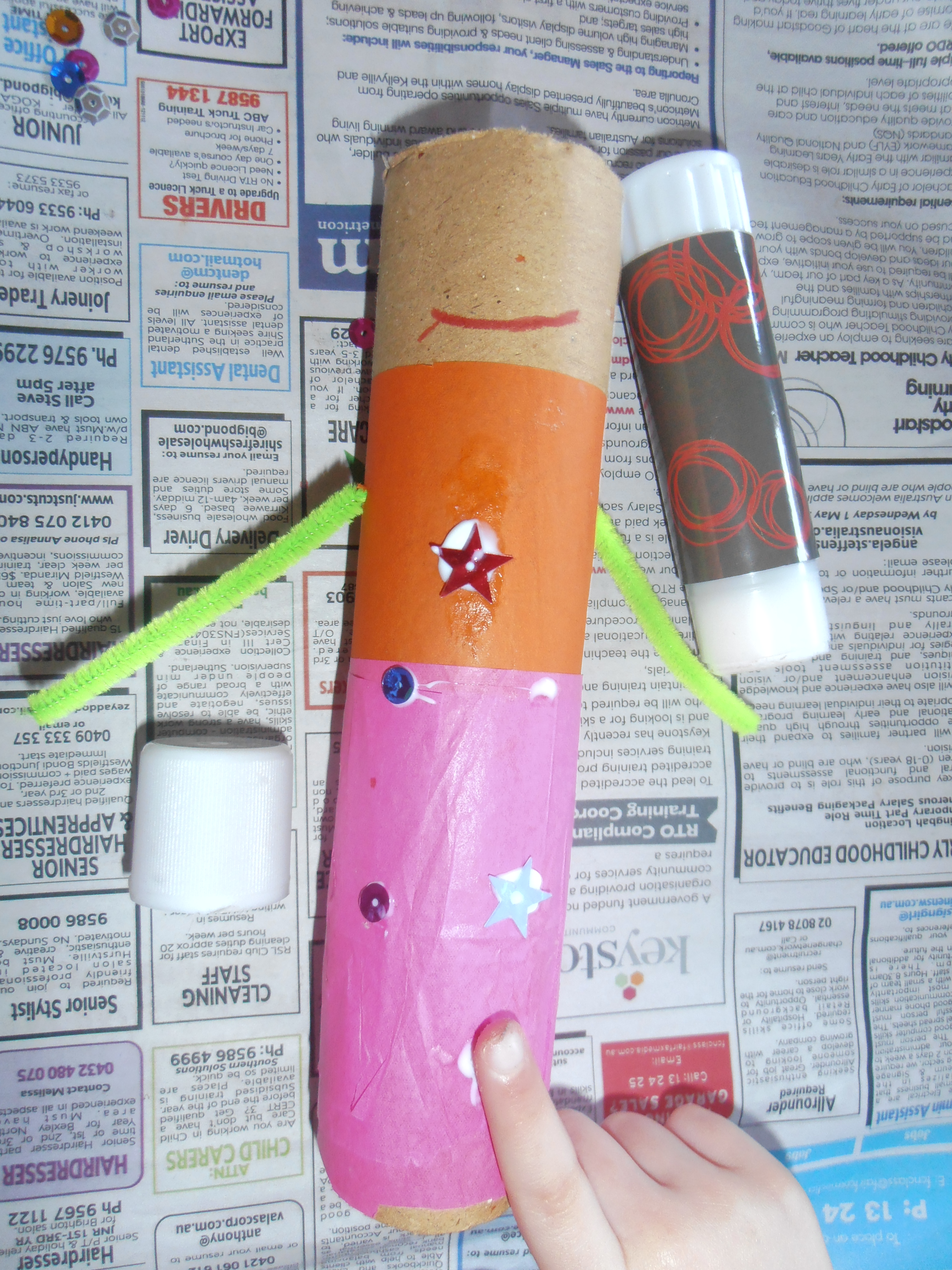
Step 2 – Draw a smile and nose with your texta/crayons/pencil.

Step 3 – Make a hole with a scissors or a pin on either side of your cardboard roll and poke the pipe-cleaner through to make arms.

Step 4 – Add some sparkle with glitter, sequins or any other kind of sparkles that you have at home and glue them on with PVA glue.

OLYMPUS DIGITAL CAMERA

OLYMPUS DIGITAL CAMERA

OLYMPUS DIGITAL CAMERA

OLYMPUS DIGITAL CAMERA

Step 5 – Add two dots of PVA glue where the eyes should be and then glue the googly eyes on.

Step 6 – Put some PVA glue around the top of your dolls head and glue on the feathers, wool, pompoms or whatever else you have chosen for your dolls hair. Leave it to completely dry for at least an hour.

OLYMPUS DIGITAL CAMERA

OLYMPUS DIGITAL CAMERA

OLYMPUS DIGITAL CAMERA

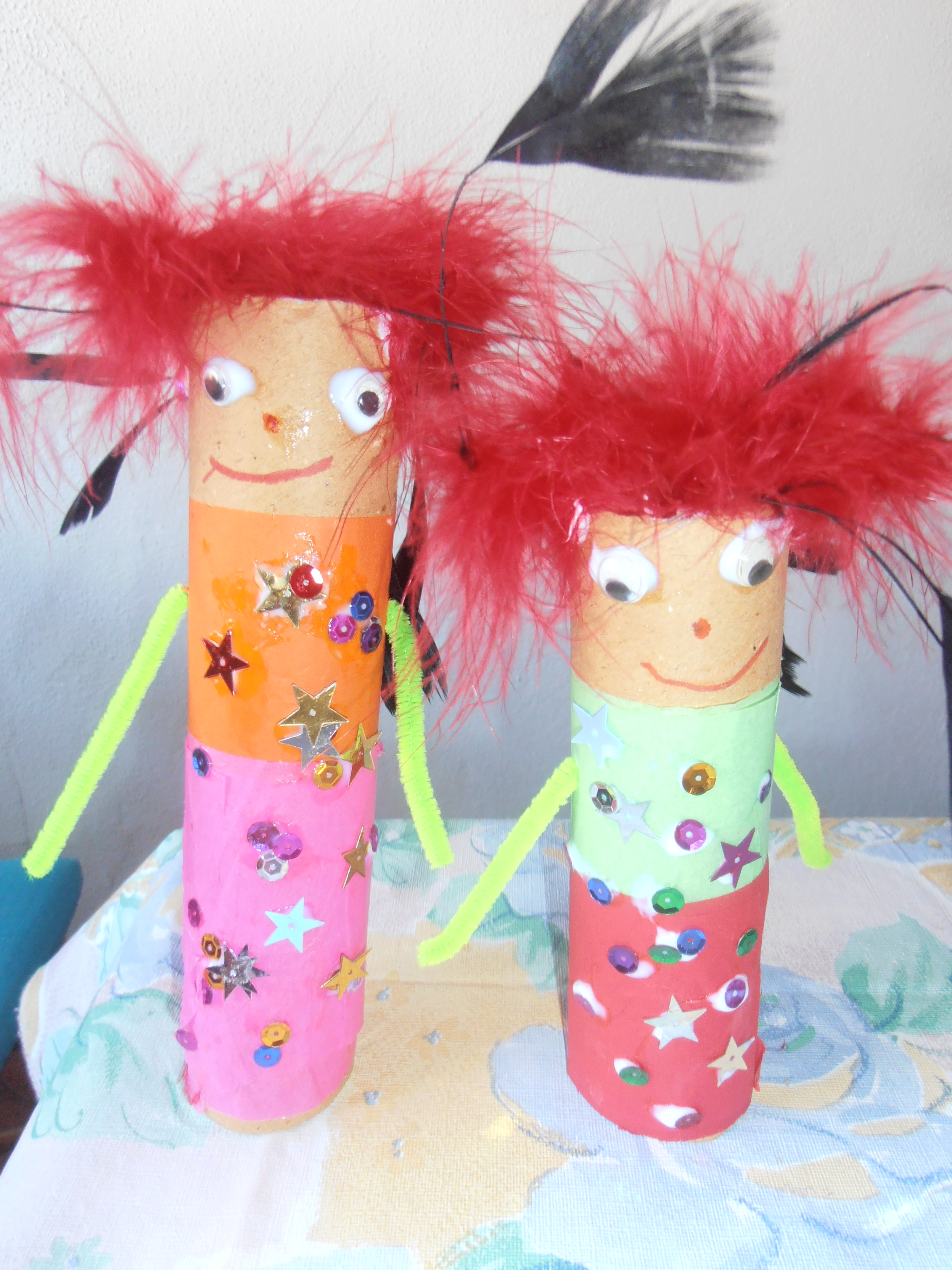
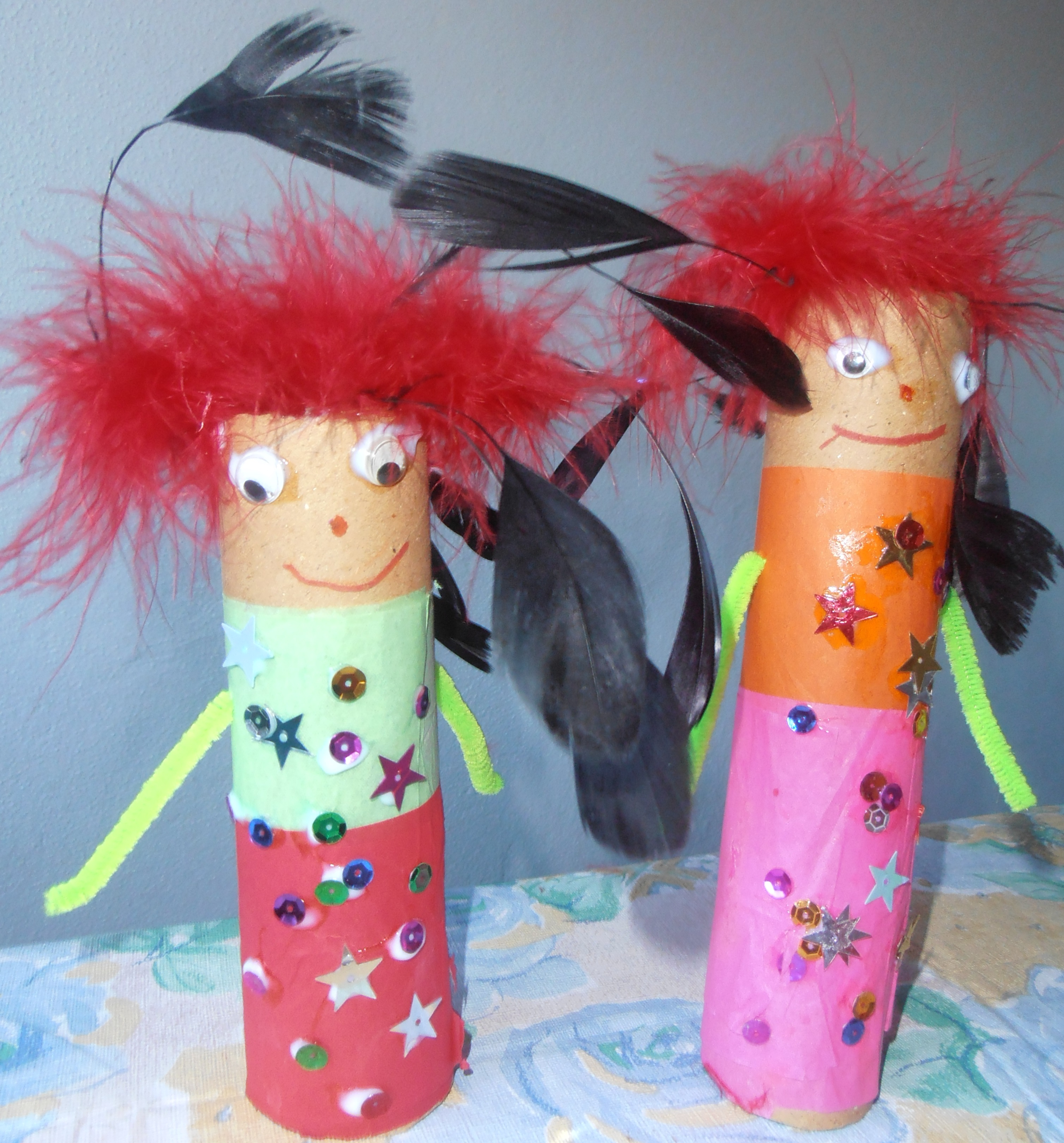
Your Rock and Roll dolls are now complete so put on your favourite music and get them to Rock and Roll with you.

OLYMPUS DIGITAL CAMERA

Have fun!

from,

Darling Precious Children

Starting Big School!

OLYMPUS DIGITAL CAMERA

It doesn’t seem all that long ago that you were taking your tiny newborn baby home from hospital and now all of a sudden they are starting big school! Where did that time go and how can it be possible? It can be a nervous time for parents and children but with a little planning ahead to make sure your child is emotionally and spiritually ready, it can be a lot easier.

Don’t worry if they don’t know their whole alphabet, all their numbers, or three different languages – that’s what they are going to school for! If they have been to pre-school they probably already know more than enough academic stuff to begin kindergarten anyway. Remember what I said in ‘The importance of building confidence’ – Self-esteem has a far greater impact than intelligence or ability! This is Paramount, so give them the confidence they need to begin with some of these simple effective tips:

Toileting

It is really important to make sure that your child is confident about going to the toilet on their own. They will need to know how to: undo and do up their pants and other clothing, get onto the toilet by themselves, wipe their bottoms correctly, turn taps on and off, and wash and dry hands. Your child may already be doing all of this on their own but if not, make sure they begin now as you won’t be around at school and they need to be able to do this without you.

Dressing and Undressing

There will be times when your children will need to change for swimming, sport or even just the weather e.g putting a jumper/cardigan on and off. Let them dress themselves every morning and undress at night (if they don’t already) so that they can get the hang of it and feel completely secure by the time they start school.

Drinks and Lunches

Some children may have been making their own lunches since the age of about two and a half but if they haven’t don’t panic. Children of five years of age are quite capable of making a sandwich and putting some fruit, yoghurt or whatever your child has for lunch into a lunch box. But even before they can do all of this, it is essential that your child is able to easily open and close the lunch box, plastic/foil wrappers, drink bottles, poppers, yoghurt containers, and eat fruit/vegetables without it having to be peeled or chopped. Also make sure that you or your child check that there is a spoon for the yoghurt or fork for rice etc so that your child does not panic when they get to lunch and there are things missing. All of this helps them to feel secure and less anxious about meal times at school.

General hygiene and Self help

Anything you can teach your child to do for themselves will make them feel more secure. Things that we take for granted like being able to: blow their own nose and wash their hands afterwards, wash hands before lunch or after outdoor or messy activities, hang their coat on a hook, put on and take off their own shoes, pack and unpack their bags etc, will all help them to feel more confident.

Manners and Communication

Saying please and thank you was once taught in each and every home but these days some adults have forgotten about basic courtesy and manners, so therefore they do not teach their children any. It’s really important that your child learns some basic manners and communication skills. This will help them in all aspects of life but particularly with meeting new people. Firstly practice good manners yourself by saying please and thank you and also by sharing, caring and turn taking etc, and then help your child learn these skills. Go through some scenarios of asking other children to play or if you can borrow something from another child etc, and role play what they could say. Be an open communicator yourself and ask your child how they feel about starting a new school. Do they have any concerns or is there anything they are unsure of? What are they really looking forward to about their new school? Then answer their questions as honestly and reassuringly as you can. This will help them to communicate with others and communicate their feelings.

Planning and Organisation

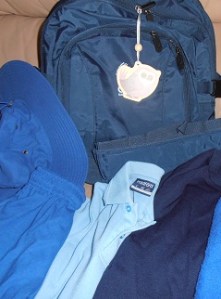
Teach them about planning and organising so that they are able to unpack and pack their bags and organise what they will need for the next day. Talk to them about the general sequence of the day and again ask them if they have any concerns or anything they would like to find out more about? Then answer all their questions. Read my previous post: 2014 – Your Child’s Next Exciting Chapter! For more information on how you can help your child plan and get organised.
OLYMPUS DIGITAL CAMERA

Some other ways to help your child feel more secure and excited about starting big school:

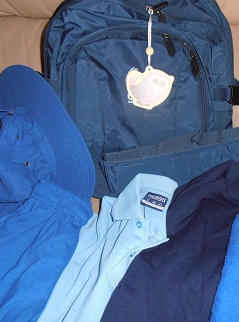
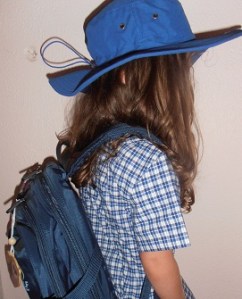
•Let them make simple choices and be in control of the things that they can be in control of such as picking a new lunch box, drink bottle, pencil case, pencils etc and get them to tick these off a list. Then let them set out the things they will need for the first day. This will help them feel more enthusiastic and that they have some control.

•Visit the school and point out the swings or new classrooms etc to help children feel more familiar with the new environment.

•Start going to bed a bit earlier about a week or two before school begins. Wake your child up around 10 minutes earlier than usual and let them go to bed 10 minutes earlier each night until you have the timing right for school term.

•Find out about drop off and pick up so that you know how long you can stay the first day or if it is recommended that you leave quite quickly. Make sure you plan ahead how you will say goodbye and talk to your child about this. Will you give a quick kiss and hug and say goodbye or will you stay and wait a while until your child feels settled? Think about what your child needs. This way your child will also know what is going to happen that first day and not feel as nervous.

•If you can meet some of the other children before school starts, you might like to organise a meet and greet play time. But if not, it doesn’t matter as they will meet new friends soon enough once school starts.

•Read some good books about starting school such as: I Am Too Absolutely Small For School by Lauren Child; First Grade Jitters by Robert Quackenbush; Sam and Gram and the First day of School by Dianne Blomberg; or When you go to Kindergarten by James Howe.

Remember, school is supposed to be fun! Yes you are supposed to go there and learn but most of us who have been there and beyond realise that most of your learning actually happens after you leave school, so don’t take it all too seriously. If your child is happy, meets some friends and learns how to read, write and do a little maths then that’s all that really matters – They have a lifetime to learn the rest! Read all my previous posts to find out more about how you can positively guide your child throughout their school lives and beyond, plus stay tuned for more information on how you can do this.
OLYMPUS DIGITAL CAMERA

Happy Guiding

from

Darling Precious Children

Getting back into the school routine in 2014!

back to school routine

The lovely long Christmas summer holidays are the perfect chance to break from routine and have some fun! It’s a time to reconnect with family and friends, sleep in, stay up late, eat more “treat” foods, travel to exciting destinations and forget about time for a while. But how do you adjust to getting back into the work/school routine when it’s all over? If you are anything like me, it’s a huge struggle! By now, some parents are probably at the end of their tether after having their children at home for six weeks and are looking forward to getting back to routine; whilst others have loved the chance to spend more quality time with their children and are not quite ready. Either way, the change is coming so here are just a few tips to make it all a little easier:

•Try getting back into a routine with sleep times, bath times, meal times and other regular activities at least one week before school resumes. This will help your children’s body clocks adjust to the rhythm of routine and make the transition less stressful.

•Get them to have a look at their calendar/planner (as suggested in 2014 – Your Child’s Next Exciting Chapter!). They can use it to count down the days until school begins so that they have comfort in knowing when and what will take place. They can also use it to get organised for the next week.

•Help them to get excited about the impending term by talking about what is coming up e.g. excursions, parties, swimming lessons, Easter, and seeing all their friends, etc and then demonstrate how to mark some of these on their calendar/planner.

•Make the first week back relaxing and try not to plan too many after school activities if possible. Getting back into a routine is tiring and it’s best to keep all other activities to a minimum.

•Give them lots of free time after school to just run outside, play and be free. Especially the first week back but as often as possible during the whole term as well.

•Plan something fun but simple for the first weekend after being back at school. It could be a movie or pizza night, a picnic in the park, or a visit with family and friends. This is something the children can look forward to if they are hesitant about going back to school and it lets them know that the fun doesn’t have to end just because the holidays do.

•Hopefully there will be no homework in the first week back (if they attend a school which believes in giving homework) but if there is, show them how to organise their week so that they can do a little at a time and it’s not overwhelming. They can use their planner to work out when best suits them.

•Make time at dinner to sit around the table together (which should be a regular occurrence anyway) and chat about their day. This helps them to communicate their feelings and bond with their family. If open communication is developed and encouraged then they will be more likely to open up to you when they have concerns or issues that they need to discuss.

•If they are at a new school or even just a new class with different students and teacher, they may be feeling a little anxious about the change. Ask them how they are feeling about the new school/teacher/class and answer all their concerns as honestly and reassuringly as you can.

More than anything just be there for your children to guide them through this change in routine as there may be a period of adjustment which might cause them to feel anxious. You may notice behaviour that is not typical for them and it could just be that they are overwhelmed and overtired with the changes. Be understanding and talk to them about their feelings. It may appear that they are just being “naughty” and playing up, but there is always an underlying reason so make sure that you investigate and be supportive. In saying all of this, your child may actually be really happy about being back at school and not have any worries or concerns at all. If they are, then that’s great but just keep these tips in mind so that you can ease them back in regardless of how you think they will – or how they do – adjust to this big change.

Happy guiding

from

Darling Precious Children
2014 – Your Child’s Next Exciting Chapter!

new year

The New Year brings new beginnings! It’s an exciting blank page in the next enthralling chapter of your child’s life.  A book in which you have the wonderful opportunity of enhancing with so many fresh and different lessons and experiences.  So what will you do in 2014 to help make it a fulfilling and potential reaching one for child? How will you help them become the best version of themselves that they can become at this time in their lives?  These are questions you can ask yourself and focus on as you move into and throughout 2014. A great place to begin is with teaching your child about goal setting and planning, so here are a few ideas on how you could do this.

Buy your child a planner or calendar

Any child from about the age of four can be taught the basics of planning. The best way to do this is with a calendar/planner or a one page to a month diary.  There are so many lessons they can learn from this and these are just a few:

Firstly, they are learning about organisation. They can mark important events such as sports day, library day, piano lessons, etc into their diary/calendar so that the night before each event they can prepare everything they will need the next day.  This not only gives them some independence but helps to develop their confidence and autonomy. It also teaches them the lifelong skill of planning and being organised, which they will need in all aspects of their lives.

Secondly, they are learning the names and order of the days and months of the year.  This is a huge lesson in itself and makes the experience so visual and real that it is far easier to understand than being taught verbally in an intangible lesson. 

Thirdly, they are learning about the order of events.  The calendar/diary gives them a visual cue in which they can look and see what is coming up and when.  This not only helps them with putting events in order but also develops their understanding of timing and time.  It is the prequel to learning about time in accordance to hours and minutes.

Fourthly, but no less importantly is the development of security and peace of mind that the knowledge of timing and order of events brings.  If children know what is coming up and when, they feel far more secure and confident than if they have no idea what is going to happen on the day or days ahead.

It is for all these reasons and many more incidental or consequential teachings that I strongly suggest you introduce and encourage your child to use a diary/calendar in 2014.

Help them set goals

Goal setting is really important for all of us but we tend not to realise how essential it is for children too.  Goal setting gives us purpose, direction and something to aim for –  and tantamount to that it gives us hope. 

Ask the children in your life what it is they would like to do in the coming year. Is there something they would like to learn or develop their skills at? Is there a place they would like to visit or something they would they like to save for? Well help them do it! Start from the goal and turn it upside down so that you are taking baby steps backwards. Get them to use their planner to map out how and when each step will take place.  Again this gives them visual cues with the added bonus of seeing when each step will take place, as well as the time frame for reaching their destination/goal.

For example, if your child wants to learn how to ride his/her bike without trainer wheels. Help them workout which days they are free to practice and then get them to write or draw a picture representing the event e.g. a bike on each of the days. On the first day you could write practice peddling forwards, then the next few could be practice steering, learning to use the brakes, and so on until these skills are mastered. When the trainer wheels are ready to come off there will be lots more skills to learn in order to balance and these can be broken down into steps accordingly.

Remember, half the fun of being a child is living spontaneously so I definitely do not suggest planning every minute of their lives, just a few essential moments of their week – make it light hearted and fun! Keep working on planning and goal setting with the special children in your life throughout the year to help them develop skills that will last them a lifetime and will benefit them more than you could possibly imagine!

Happy guiding and a magical heart filled 2014,

from

Darling Precious Children

Christmas Foot Print Tree!

OLYMPUS DIGITAL CAMERA

What you will need – White A4 cardboard, green paint, paint in a variety of colours, paint brush, scissors, Christmas wrapping paper, black texta, ribbon, sequins, gold/silver cardboard star, glue stick, PVA glue.

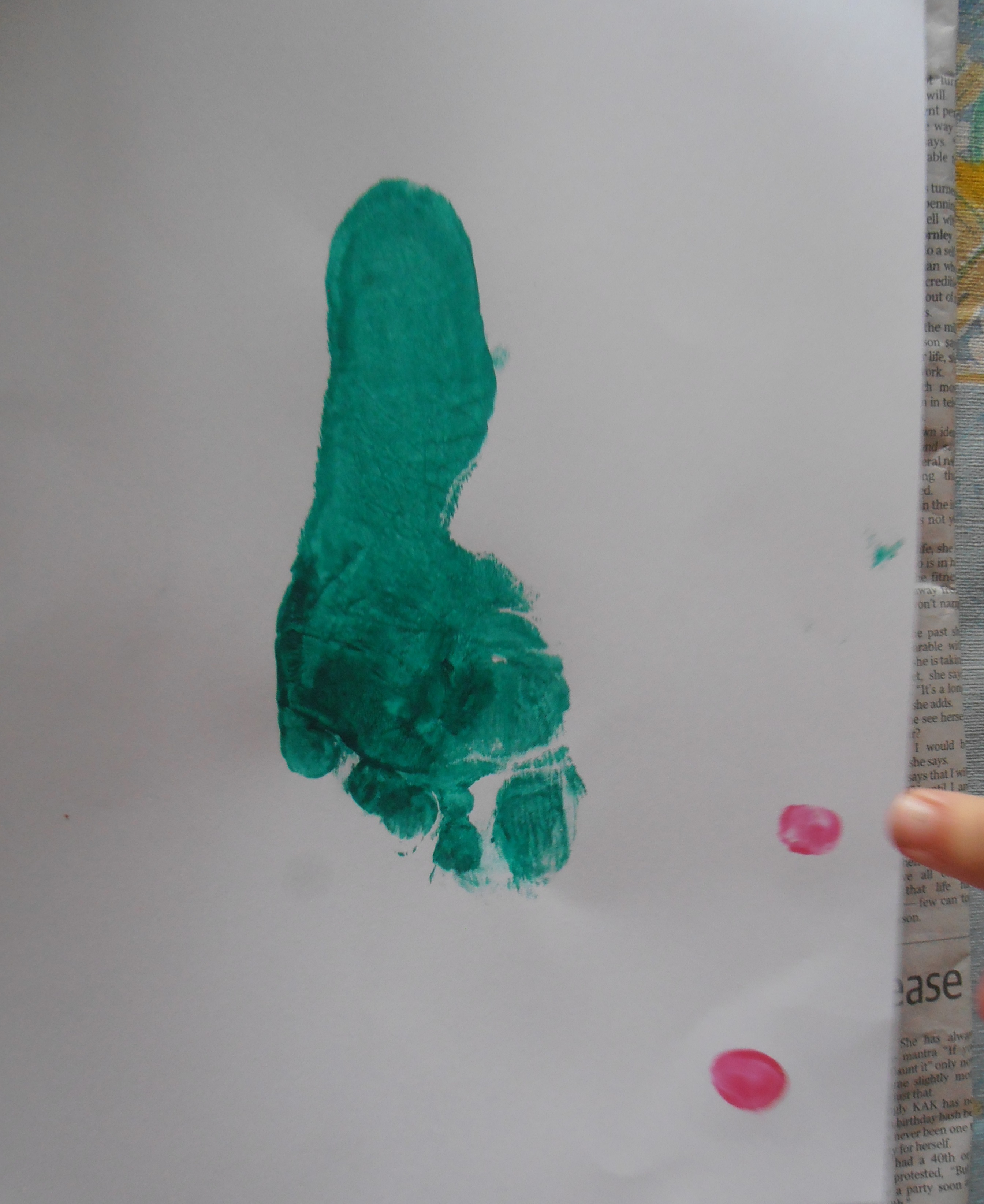
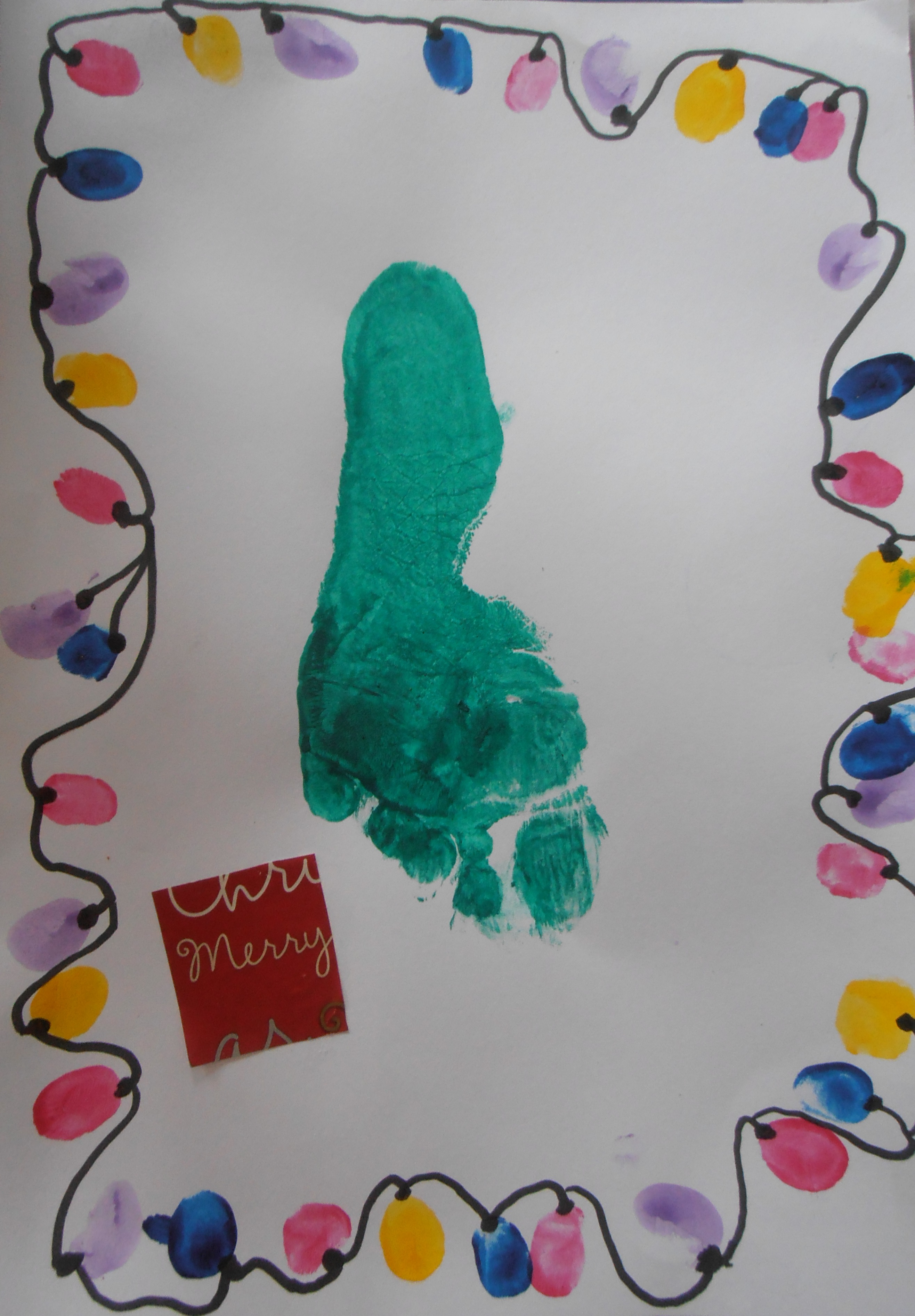
Step 1 – Paint the child’s foot with green paint and then get them to stamp it in the centre of the white A4 cardboard.

OLYMPUS DIGITAL CAMERA

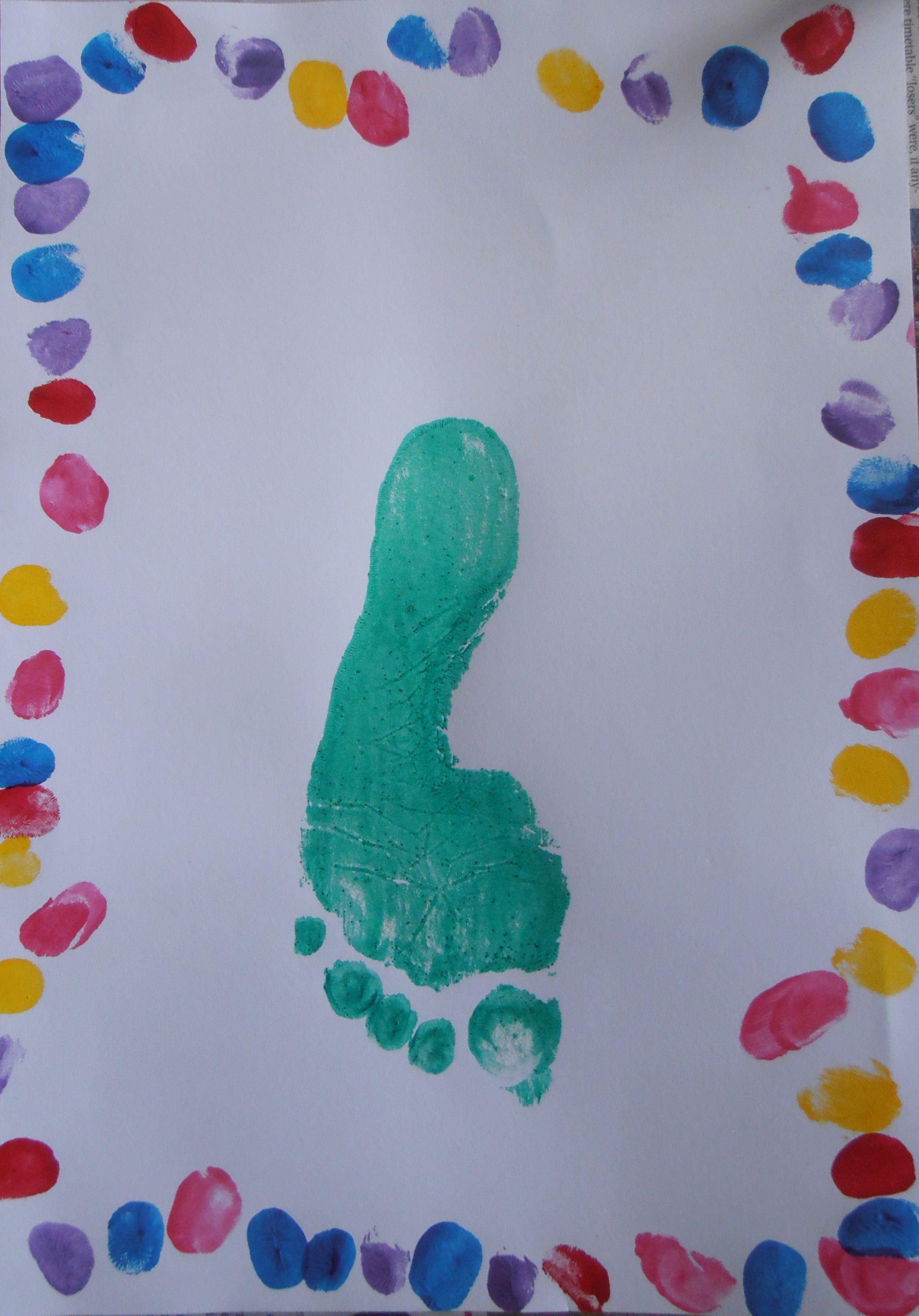
Step 2 – Using the coloured paint get the child to make colourful thumb prints around the edge of the white A4 cardboard, alternating colours.

OLYMPUS DIGITAL CAMERA OLYMPUS DIGITAL CAMERAOLYMPUS DIGITAL CAMERA        OLYMPUS DIGITAL CAMERA

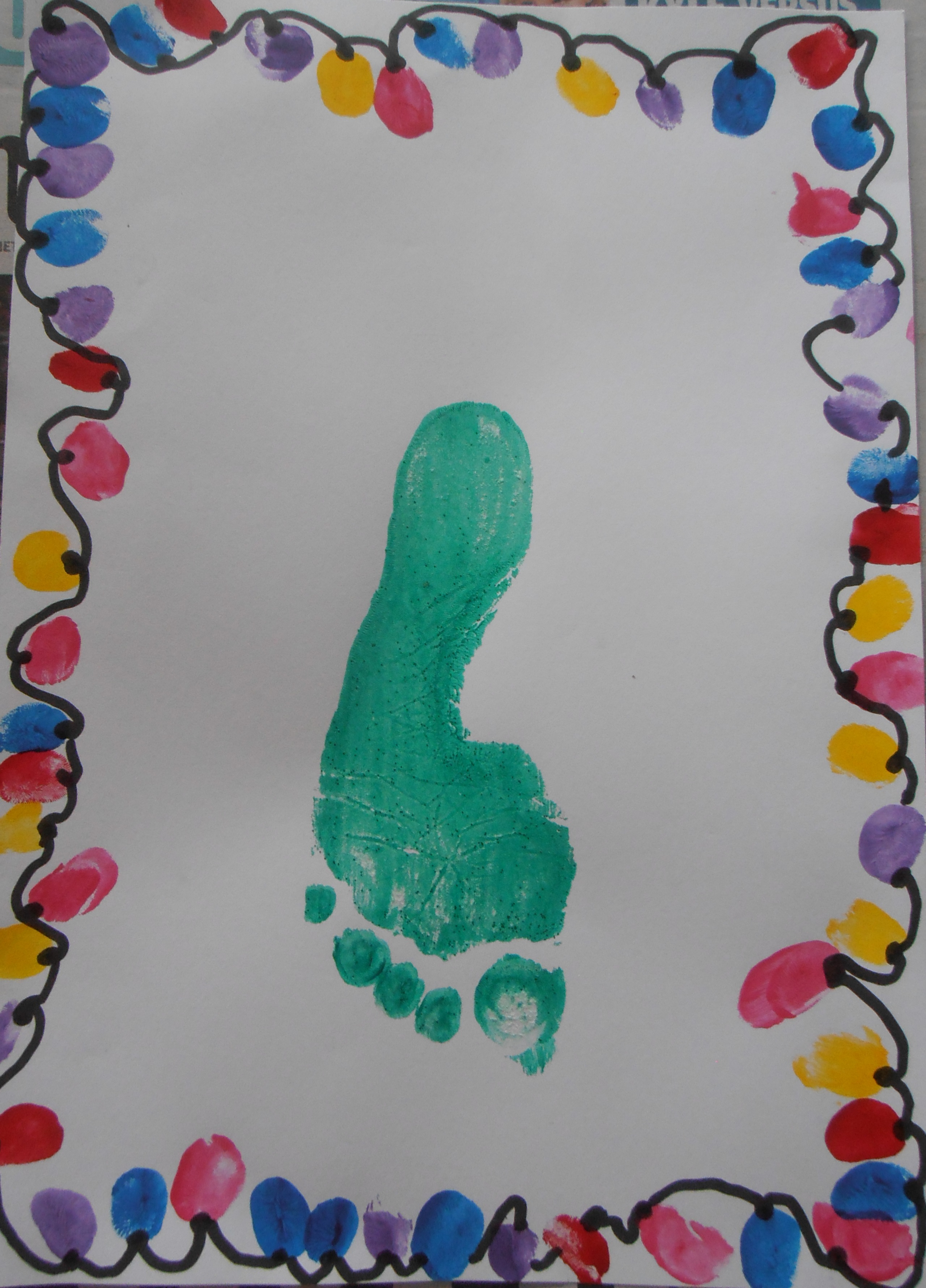
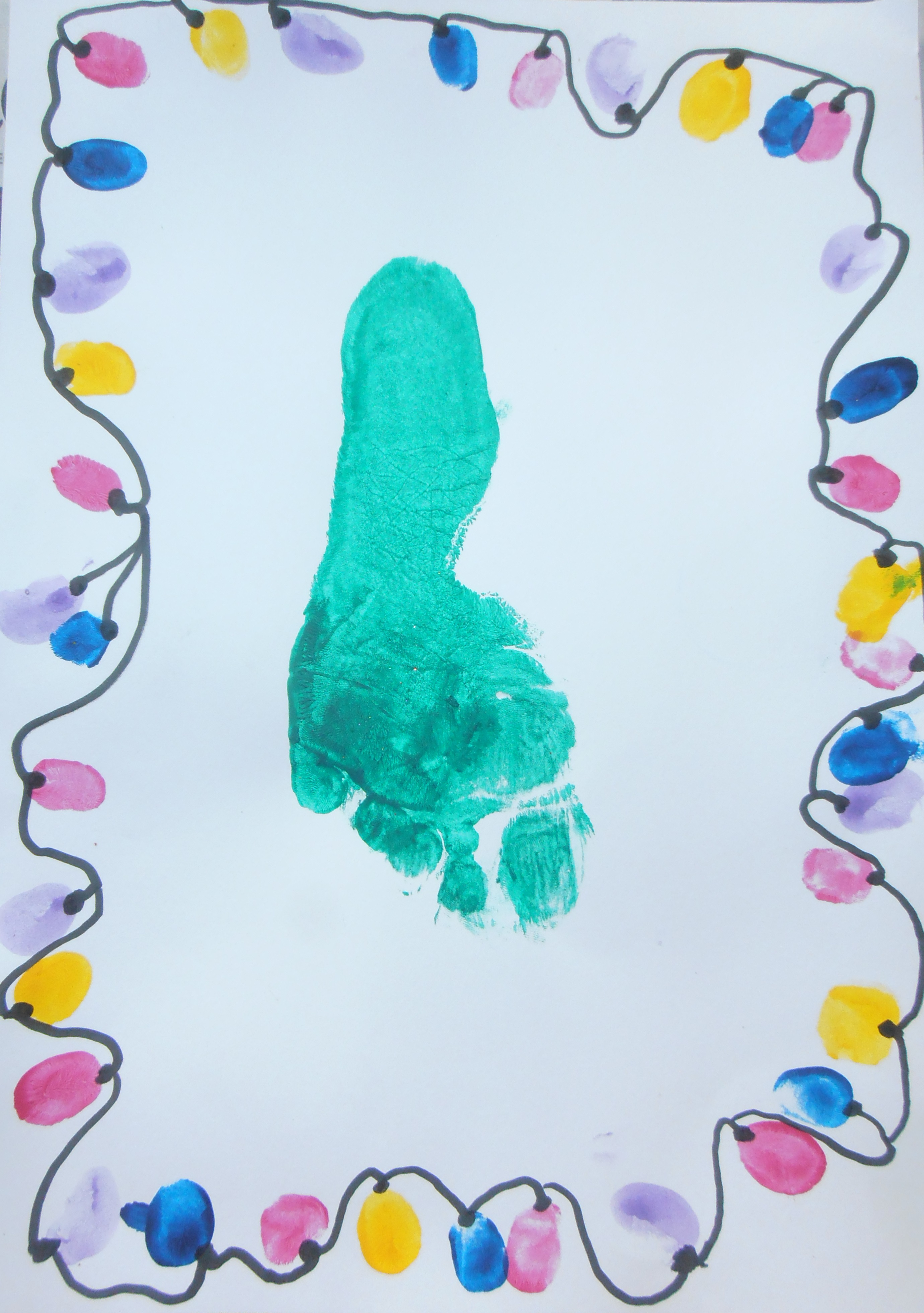
Step 3 – Using a black texta turn the thumb prints into lights by adding a dot to the bottom of each one and drawing black wire to connect the lights.

OLYMPUS DIGITAL CAMERA

OLYMPUS DIGITAL CAMERA


Step 4 – Make some Christmas presents by cutting the Christmas wrapping paper into small squares and glue them around the base of your Christmas foot print tree.

OLYMPUS DIGITAL CAMERA

Step 5 – Add some ribbon to your presents by gluing a small piece of ribbon horizontally across your present and another small piece of ribbon vertically across that one. Then curl some ribbon and add it to the present as shown in the pictures below.

OLYMPUS DIGITAL CAMERA

         OLYMPUS DIGITAL CAMERA

Step 6 – Squeeze some PVA glue in a zigzag pattern across your tree then stick sequins on to make some beautiful sparkly tinsel and decorations.

OLYMPUS DIGITAL CAMERA

  OLYMPUS DIGITAL CAMERA

Step 7 – Add the gold or silver cardboard star to the top of your gorgeous Christmas Foot Print Tree and glue it on with PVA or glue stick.

OLYMPUS DIGITAL CAMERA

Your very merry Christmas Foot Print Tree is now ready to be hung up and enjoyed for many Christmases to come so put it somewhere special!

Happy guiding and a

joyful, spiritual and magical Christmas

from

Darling Precious Children
Dancing Santas!

OLYMPUS DIGITAL CAMERA

What you will need – cardboard people or cardboard to cut your own people, red paper, cotton wool, black marker, googly eyes, tiny white pom poms, gold sequins, PVA glue and Glue stick.

OLYMPUS DIGITAL CAMERA

OLYMPUS DIGITAL CAMERA

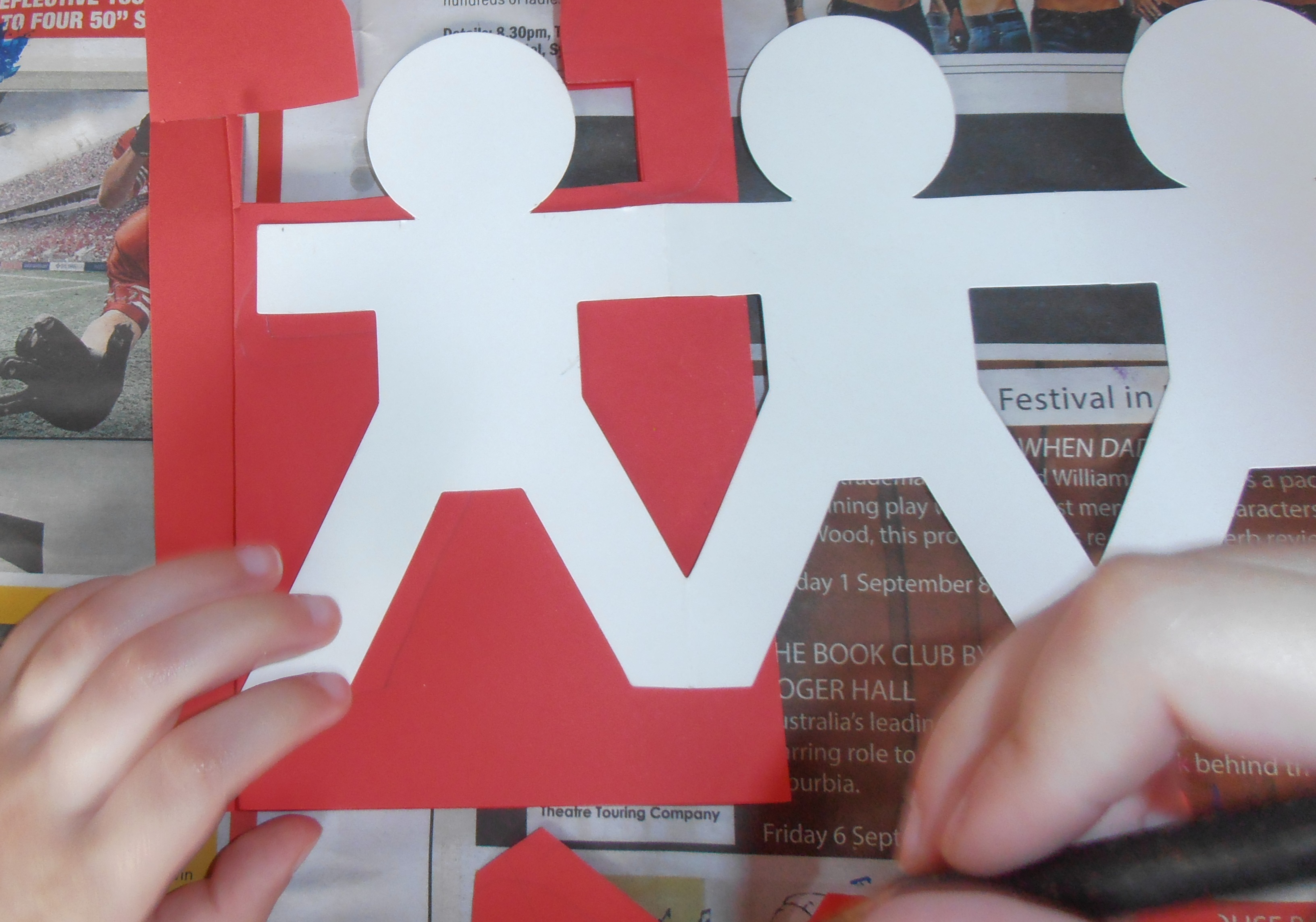
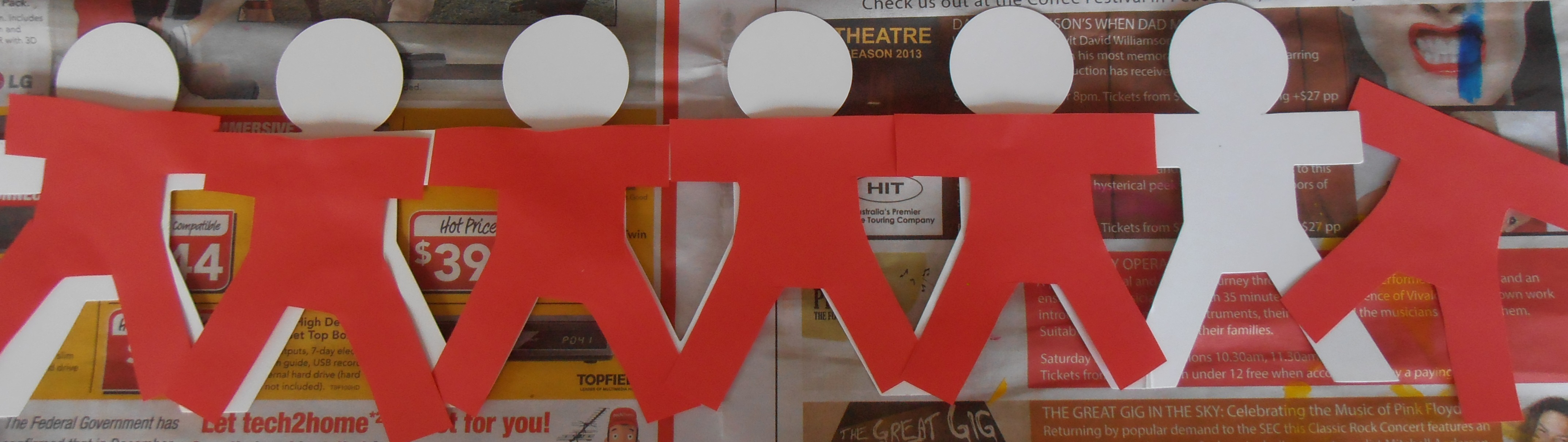
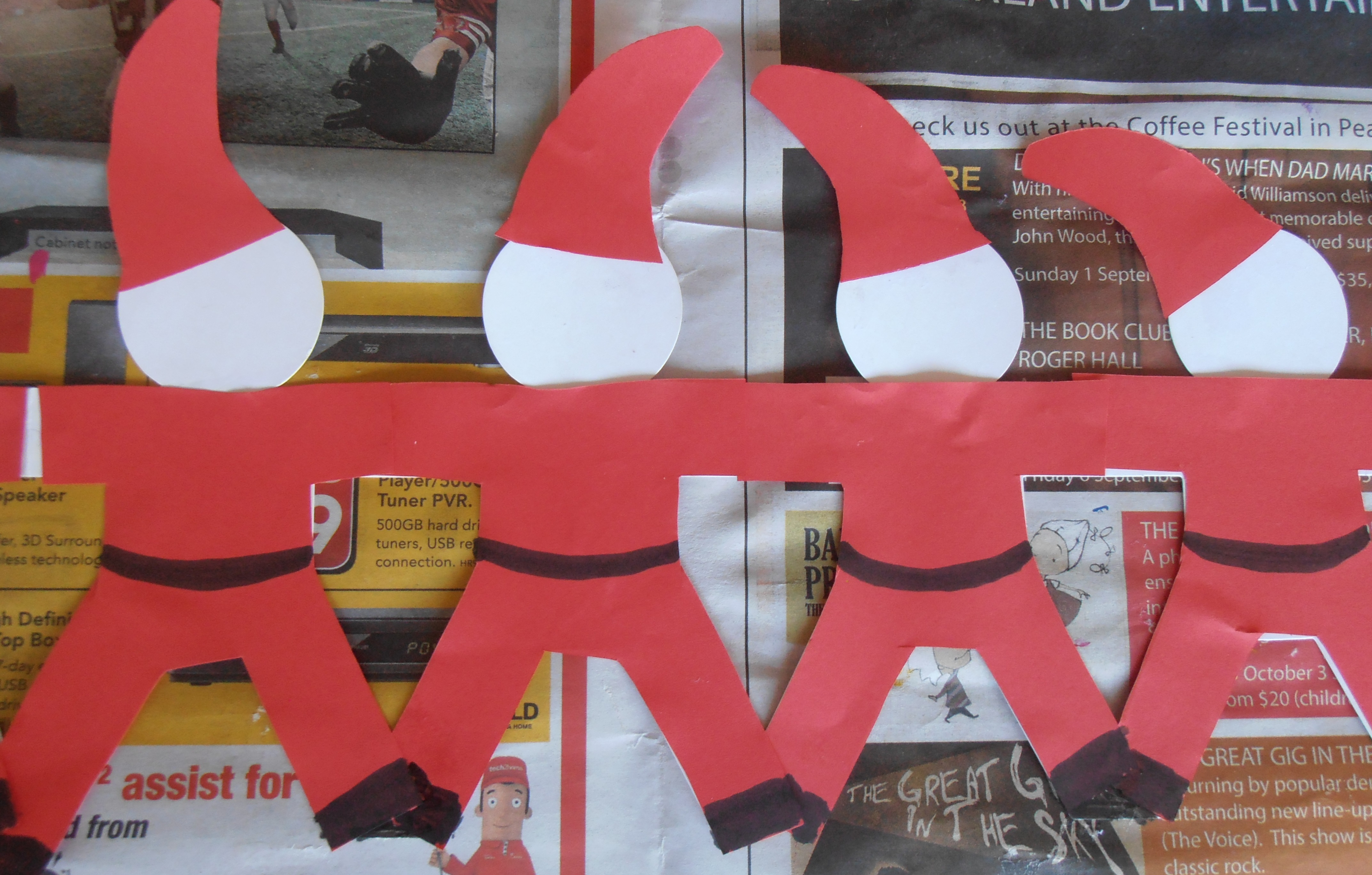
Step 1 – Fold paper into threes in a concertina pattern. Then carefully trace around the shape of your cardboard person onto the red paper. This will make enough outfits for three Santas so repeat the process to make enough outfits for all six Santas if you are using six. Cut each outfit out.

OLYMPUS DIGITAL CAMERA

OLYMPUS DIGITAL CAMERA

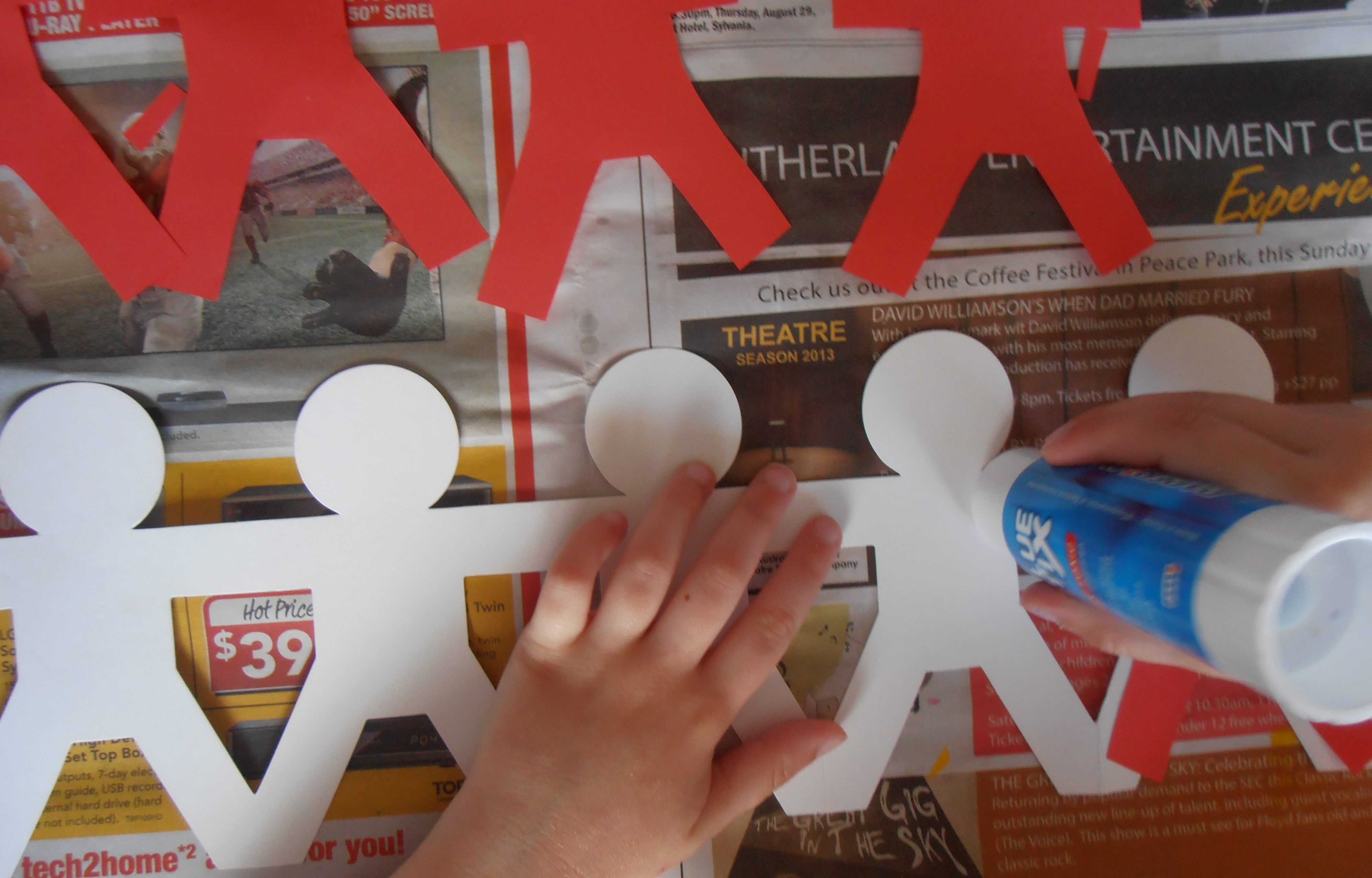
Step 2 –  Place the outfits onto each Santa to make sure that they fit then glue the six Santa outfits onto the dancing Santas using a glue stick.

OLYMPUS DIGITAL CAMERA

OLYMPUS DIGITAL CAMERA

OLYMPUS DIGITAL CAMERA

Step 3 – Fold the red paper once again in a concertina (in threes or six)  then draw a Santa hat on the red paper and cut it out. You should now have six Santa hats to stick onto each Santa head. Glue each one on with glue stick.

OLYMPUS DIGITAL CAMERA

OLYMPUS DIGITAL CAMERA

Step 4 – Draw on some Santa boots with a black marker.

OLYMPUS DIGITAL CAMERA

Step 5 – Using a black marker, draw a black belt on each Santa in a curve so that it looks like a jolly Santa belly.

OLYMPUS DIGITAL CAMERA

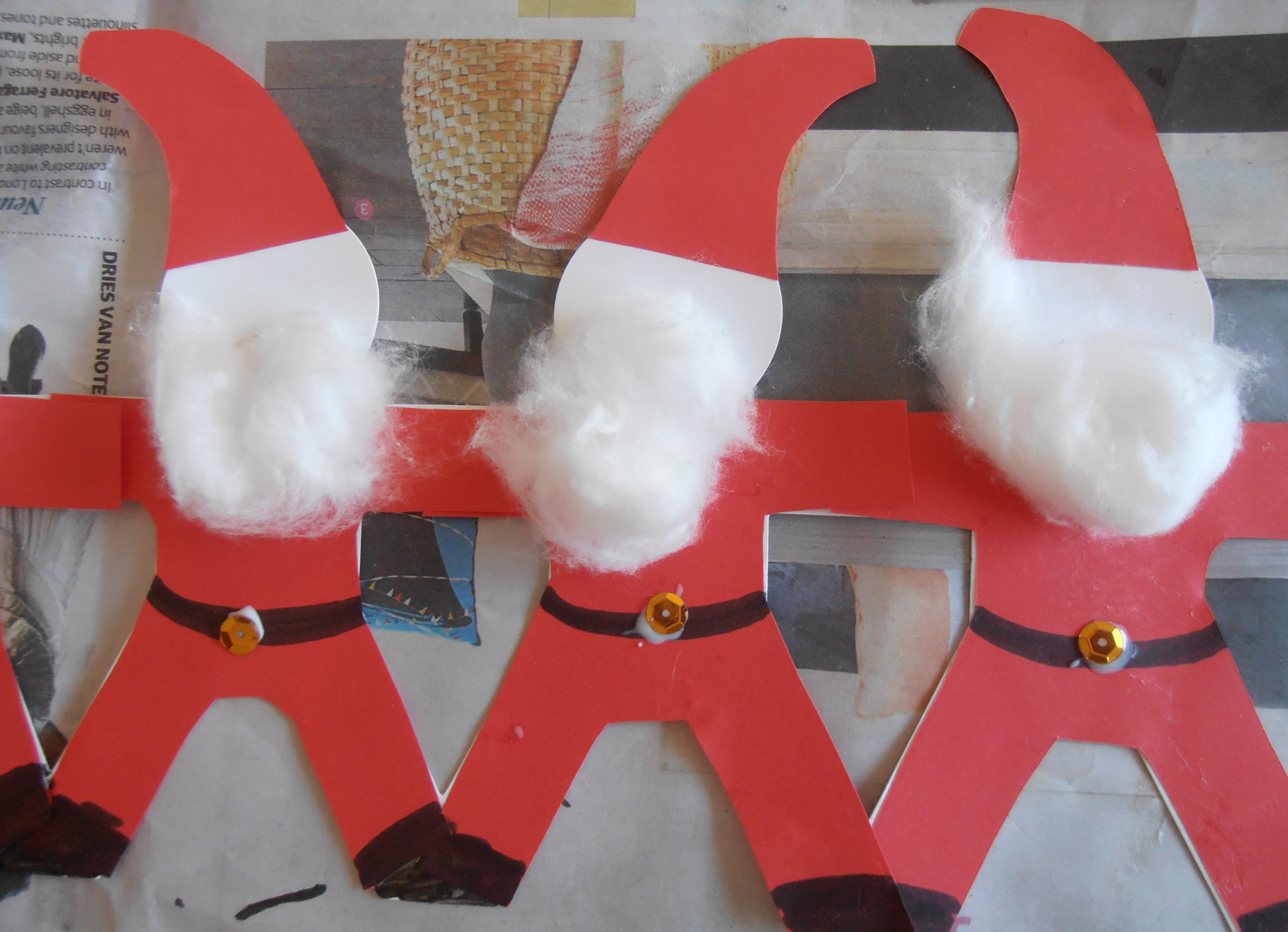
Step 6 – Make a fluffy Santa beard using some cotton wool and glue it to each chin with PVA glue.

OLYMPUS DIGITAL CAMERA

Step 7 – Use PVA glue to add a gold sequin on each belt as a belt buckle.

OLYMPUS DIGITAL CAMERA

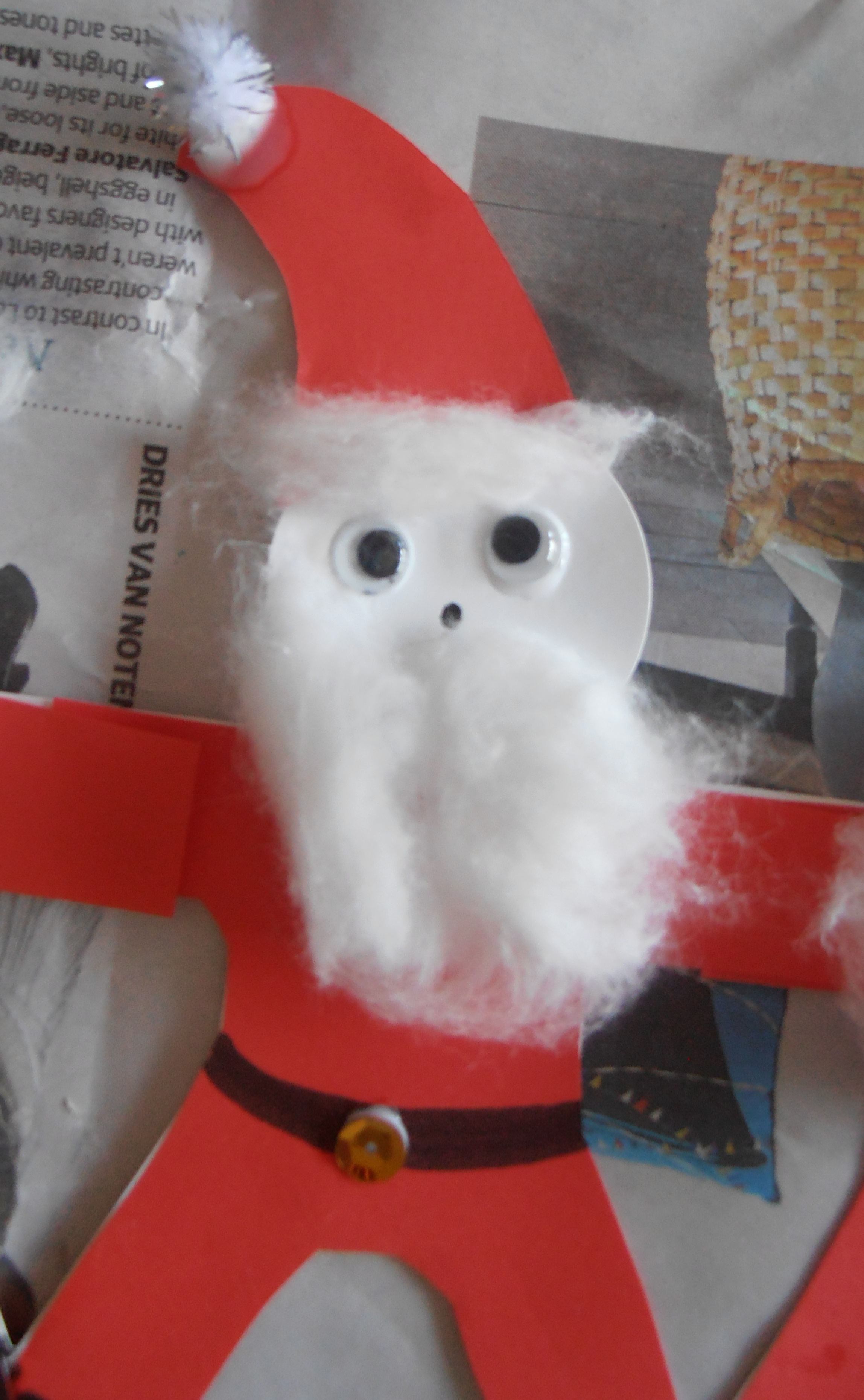
Step 8 – Add some googly eyes (with PVA glue) to each Santa’s face.

OLYMPUS DIGITAL CAMERA

Step 9 – Add some cotton wool to each Santa’s hat to make the fur trim.

OLYMPUS DIGITAL CAMERA

Step 10 – Glue a tiny pom pom onto the tip of each Santa hat using PVA glue.

OLYMPUS DIGITAL CAMERA

Your Dancing Santa’s are now ready to dance!

Happy Guiding and Many Blessings for the Christmas Season,

from

Darling Precious Children
OLYMPUS DIGITAL CAMERA

How many adults could sit still all day?

Children need to move!

How many adults could honestly say that they could sit still all day if asked to without their minds wandering or their bodies moving? What about just for a few hours listening to a seminar, lecture, speech, performance etc that does not keep our interest and quite frankly just bores us? Hardly any. I ask this question because I for one could not! I cannot do it now –  let alone do it when I was a child. Neither could most children… or adults for that matter. So it astounds me that anyone still has this expectation of children.

Research strongly shows that it is virtually impossible for a child to sit for hours listening to one teachers monotone drone and actually concentrate. Common sense could tell you that.  It’s un-natural and unproductive. This has huge implications for how we educate and parent our children. My experience of school in Australia in the 80’s taught me a couple of things but the main one was how to daydream! This was great for my creativity but didn’t help me too much when I needed to get through maths. With all seriousness though, I and many children like me didn’t realise how much we loved learning until after school when we could learn and explore in our own way with our own topics. What a waste of  potential and time during most of those 13 school years.

School has changed a lot since I was a student and most teachers now recognise that students all learn in different ways and have differing needs and interests.  It is common practice to break the days timetable into lessons which involve sitting for shorter periods, more movement, a variety of methods including visuals and lessons based on children’s interests.  Hopefully all teachers these days understand this, if not they should not be teaching as they don’t get the basic fundamentals of being a teacher – which is respect for the child!

This information is also helpful to be aware of if you are a parent as there are times when your expectations do not meet the child’s developmental needs. Children are often asked to sit and listen for long periods to: religious sermons, theatre performances, adult conversations etc. During these occasions, children may appear to be playing up.  Take time to think about why this is? Are they bored? Are you expecting them to keep quiet and sit still when the situation is uninteresting for them. Put yourself in their shoes and think about having to sit for hours listening to something that does not interest you at all – wouldn’t you be itching to get out too!

Teachers and parents must gear all experiences towards the child’s needs and interests if they are to facilitate and encourage a perfect environment for learning and appropriate behaviour. It is imperative that we do not ask them to sit for hours and especially to something they find boring. Do not expect behaviour in your children that you yourself could not achieve given less than ideal circumstances. If you want your children to thrive and learn then give them the right opportunities and expect their teachers to be doing the same.  Respect and follow the child always and give them freedom to move!

Happy Guiding

from,

Darling Precious Children
Rainbow Cake

Rainbow Cake

What you will need: Two packets of butter cake mix, large mixing bowl, four smaller mixing bowls, four spoons to mix with, smarties, eggs (check cake packet for amount), butter (check cake packet for amount),Icing (included in cake mix packet), food colouring, round cake tin.

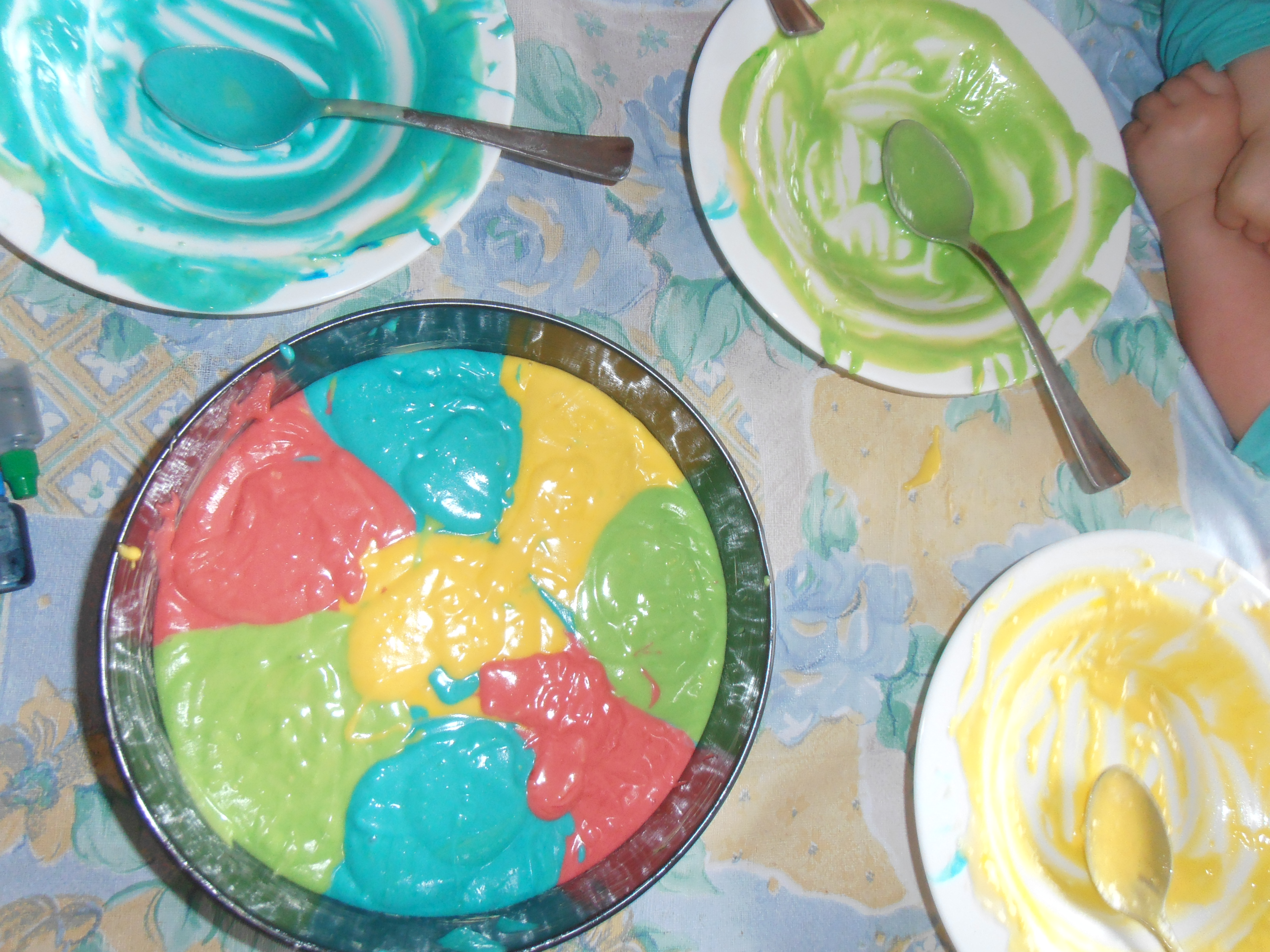
Step 1 –  Make cake as per instructions on cake mix box. Divide cake mix evenly into four bowls and add a different colour to each bowl using the food colouring. Mix each colour well.

OLYMPUS DIGITAL CAMERA

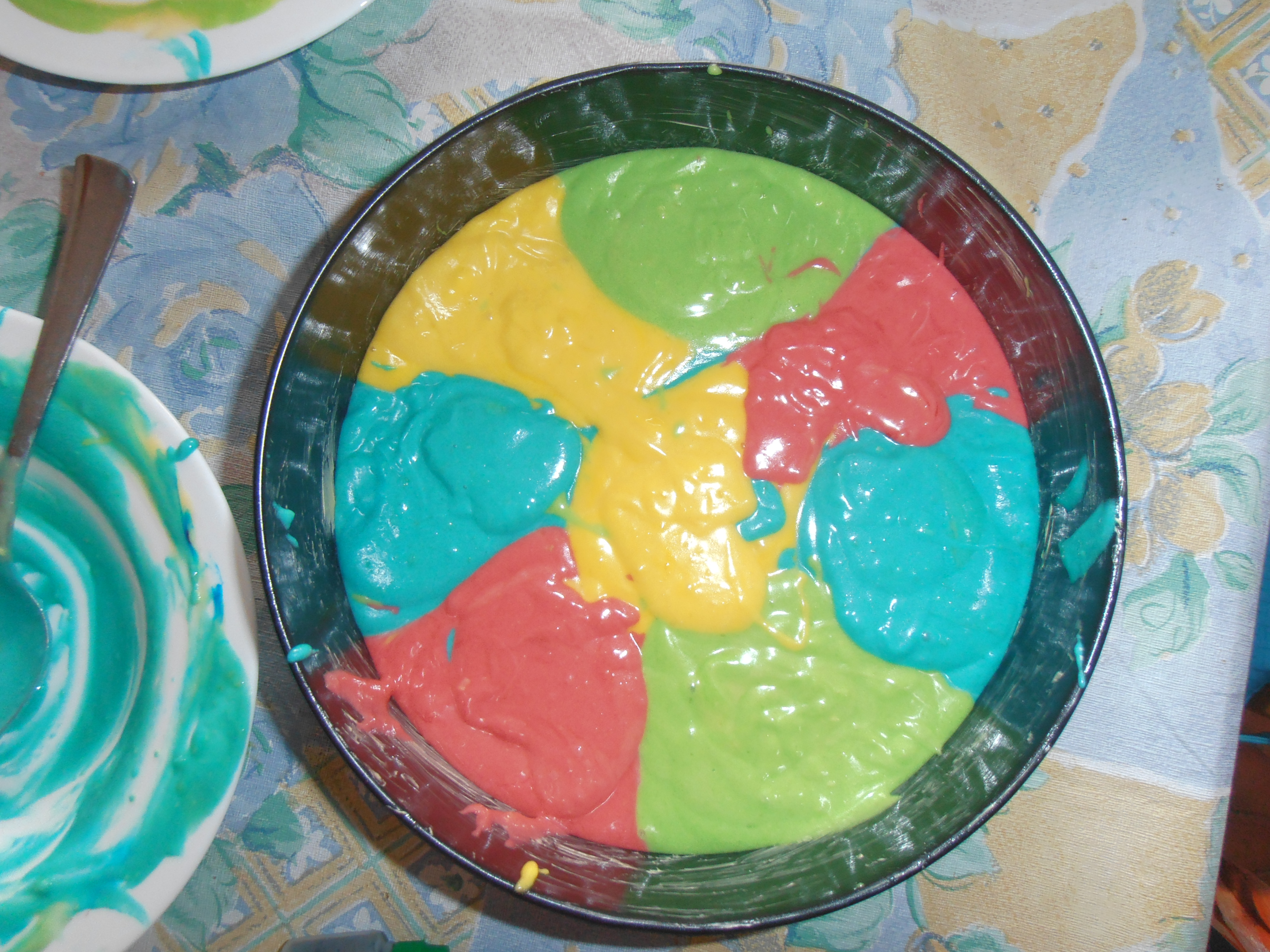
Step 2 – When each colour has been thoroughly mixed in the four separate bowls, add the four colours into a greased round cake tin.

OLYMPUS DIGITAL CAMERA

OLYMPUS DIGITAL CAMERA

Step 3 – Using a knife, slightly swirl through the different colours in your cake tin to give a marbling effect. Do not mix too much or else the colours may blur into one.

OLYMPUS DIGITAL CAMERA

Step 4 – Bake as per instructions on back of cake mix pack (usually around 45 minutes on 180 degrees Celsius).

OLYMPUS DIGITAL CAMERA

Step 5 – Your delicious Rainbow cake is now ready to decorate so ice using the icing that is included with the cake mix.  Then  place the smarties in whatever colourful pattern you like. If you would like to decorate it as in photo above then begin with one colour in the middle and continue making circles of different colours around each one until entire cake is covered.

OLYMPUS DIGITAL CAMERA

Step 6 – Eat and enjoy –  it tastes just as good as it looks!

OLYMPUS DIGITAL CAMERA

Happy Guiding…and EATING

from,

Darling Precious Children